
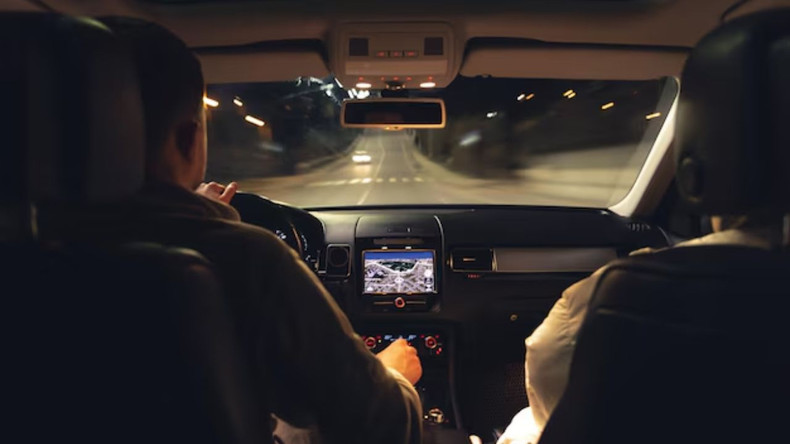
Driving at night can be quite tricky. Even professional drivers refrain from driving at night. One of the biggest problems of driving at night is the reflecting light and glare that disturb the eyesight and cause fatigue quickly.
If you’re also someone who is struggling to see when driving at night and finding it difficult to drive easily during this time, this guide is for you.
Here, we will explain why night driving feels harder and what are some tips to drive at night without any problem.
Why Night Driving Feels Harder Than It Should
Our eyes don’t have trouble seeing during the daylight, but during low light, our eyesight can get pretty bad. This usually happens because after sunset, contrast drops, glare rises, and reaction time slows.
Many people ask the same quiet question before a night trip. Am I just bad at this, or is night driving actually harder? It is harder. The goal is not to power through but to stack the odds in your favor. One of the best ways to do this is to add on accessories in your car that make your drive easier.
Tips to Make Your Night Driving Smooth
1. Slow Down More Than You Think You Need To
At night, your headlights limit how far ahead you can see. If you drive at daytime speed, you outdrive your vision.
Slowing down even five to ten miles per hour gives your brain breathing room. You spot animals sooner. You read curves earlier. You stop feeling chased by your own headlights.
Practical check
- If you feel tense, you are likely driving too fast.
- Match speed to visibility, not the posted limit.
- Let faster cars pass. Pride has no place here.
2. Clean Your Windshield Inside and Out
If you are finding it difficult to see when driving at night, start with the glass. Even a thin film of dust or oil can turn headlights into blinding stars.
Most people clean the outside and forget the inside. That inner haze comes from plastics, AC residue, and fingerprints. It matters more at night than during the day.
Here’s how you can clean the windshield:
- Take five minutes before the drive
- Use a microfiber cloth and glass cleaner to clean
You will feel the difference the moment an oncoming car passes.
3. Fight Glare the Smart Way
Incoming headlights are brighter than ever. At the same time, high-intensity beams, lifted trucks, and poorly aimed lights can feel brutal.
When you experience any glare, do not stare into the light. Look slightly down and to the right edge of your lane. This keeps your orientation without burning your retinas.
Glare control basics
- Adjust mirrors to reduce direct reflection.
- Keep the windshield spotless.
- Avoid cheap tinted glasses at night. They often make things worse.
4. Set Your Mirrors for Night Conditions
Most cars have a night mode on the rearview mirror. Use it. It cuts glare from cars behind you without killing visibility.
If you’re not sure how to set the mirror, here’s how you can do it. Adjust the side mirror at an angle slightly outward.
Adjusting your side mirror:
- Reduces the blast of light into your eyes
- Widens your view
It feels minor, but these small tweaks lower fatigue over long drives. Less squinting means calmer decisions.
5. Manage Fatigue Before It Manages You
Night driving stress often comes from tired eyes and a foggy brain. Even if you feel awake, your reaction time drops fast after sunset.
Plan breaks every two hours. Not gas station scrolling breaks, but real ones. Step out. Stretch. Splash water on your face.
Honest fatigue check
- Heavy eyelids mean stop now.
- Missing road signs mean stop now.
- Drifting thoughts mean stop now.
6. Keep the Cabin Calm and Organized
This is where many drivers underestimate stress. A cluttered car creates mental noise and at night, that noise feels louder.
Loose bottles roll, cups tip, and you reach without looking. Every small distraction chips away at focus. This is the reason why you should keep your cabin organized.
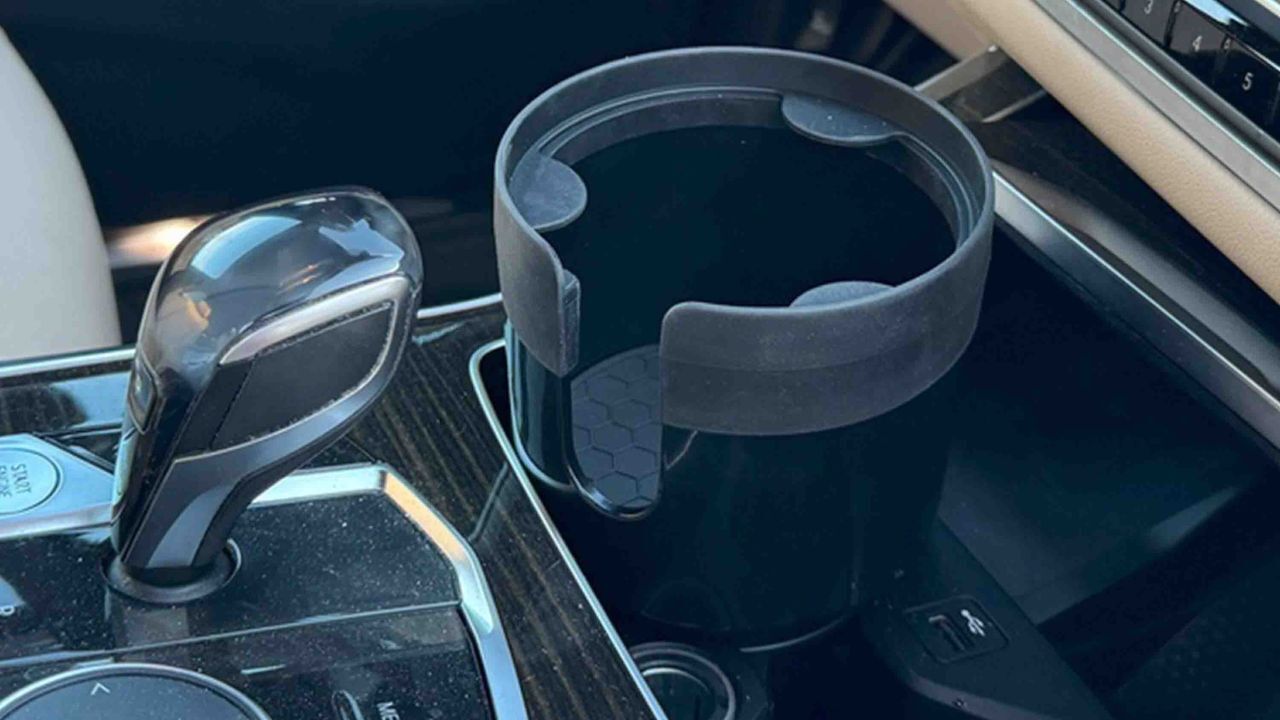
You can use:
- Phone mounts for your mobile phone
- Cup holder to keep you drinks
- Trash can to keep the trash in one place
Is it worth the money? If you drive long hours at night, yes. Removing tiny stressors adds up.
7. Use High Beams Correctly, Not Aggressively
High beams are tools, not weapons. They have a purpose.
Use them on dark, empty roads. Turn them off early when another car approaches. Blinding someone else raises the risk for both of you.
A good rule is simple. To know when to use high beams correctly;
- First, see another’s headlights or taillight
- If you’re able to see it without any problem, your high beam is off
- If you cannot see, that means your high beam is on
8. Watch the Edges, Not Just the Road Ahead
At night, threats often come from the sides. You can come across deer, dogs, cyclists, and pedestrians. These can appear all of a sudden from the darkness, not straight ahead.
Train yourself to scan the edges of the road. Look for movement, not detail. Your peripheral vision is better at catching motion than shape.
When you watch the edges carefully;
- You don’t involve in any accident
- You get time to save yourself
- You get enough time to brake
9. Adjust Dashboard and Screen Brightness
A bright dashboard kills night vision. So does a glowing phone screen. Dim everything until it feels almost too dark. Your eyes will thank you.
Quick setup tips
- Lower dashboard brightness after sunset.
- Use night mode on navigation apps.
- Put the phone away unless it is mounted.
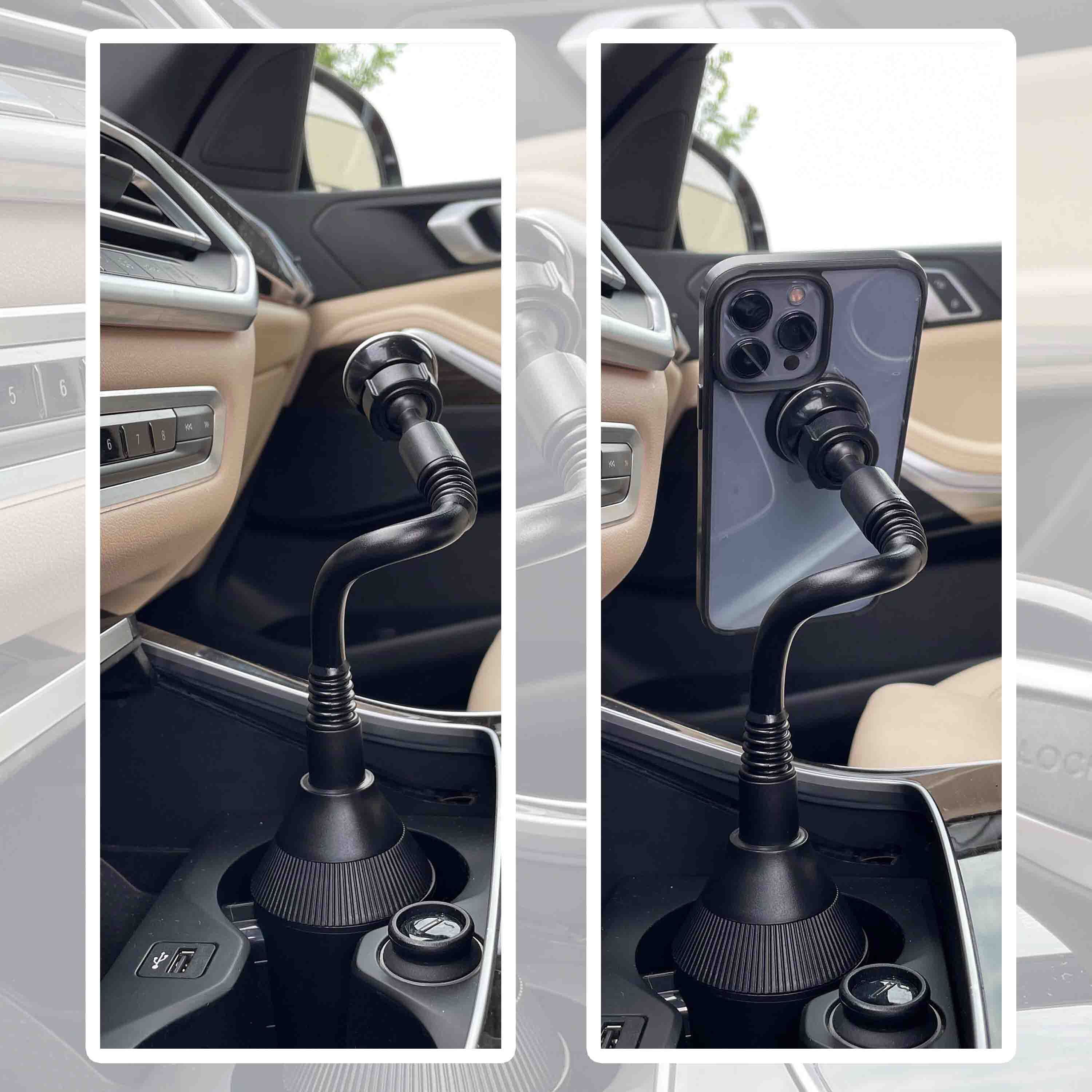
Your goal is contrast outside, not glow inside. To make sure that your phone’s light doesn’t disturb you, use a phone mount by Cozy Cup Holder. This will keep your phone stable and not allow it to hinder your sight with any glaring light.
10. Know When to Call It a Night
The smartest night driving safety tips include knowing when not to drive. Weather, fatigue, and unfamiliar roads can stack up fast.
Ask yourself a few honest questions.
- Do I really need to push through?
- Is this worth the stress right now?
- Can this wait till morning?
There is no medal for arriving exhausted. Sometimes the safest move is a motel, a rest area, or a delayed start.
Real Thinking Moments Drivers Often Ignore
Night driving decisions feel small in the moment but big in outcome.
People often wonder if they just need more practice. Practice helps, but setup matters more. Others ask if upgrades are worth it. Some are, especially those that reduce distraction and fatigue.
If you are struggling to see when driving at night, do not blame your eyes first. Check your speed, your glass, your habits, and yes, check your car setup. A calm cabin, stable drink holders, clean glass, and smart pacing change the whole experience.
Be Careful at Night and Drive Safely
Night driving may seem challenging, but that doesn’t mean that you have to fail at it. At night, the vision can be imperfect; it’s always smart to drive slowly. Always keep your vehicle’s glass clean and dim the interior.
Not doing so can cause you fatigue and put you at risk. Small upgrades from Cozy Cup Holder can work well during these times to reduce distractions.
The road at night does not have to feel like a test of nerves. With the right habits and a few smart choices, it can feel steady, focused, and even peaceful. The real question is not whether you can drive at night, but whether you are willing to set yourself up to do it well.
