
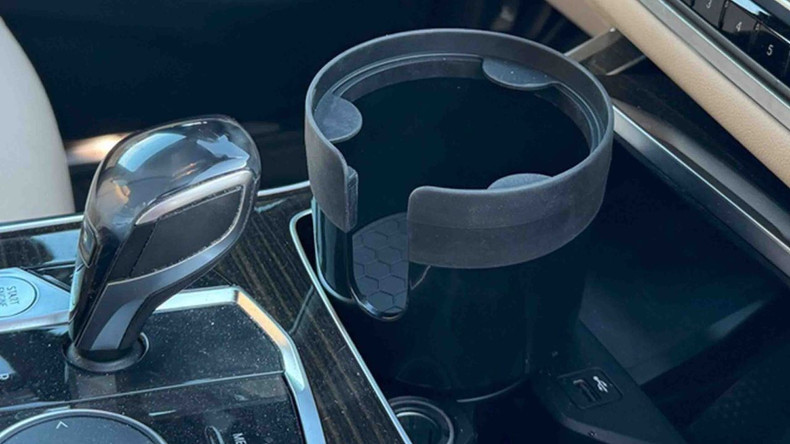
Does driving look too intimidating? With all the accident news coming up everyday, it may be!
Most crashes do not happen because people are reckless. They happen because normal drivers make small, human mistakes. A buzzing phone. A sliding coffee cup. A glance that lasts too long. This guide is not here to scare you. It is here to help you notice those moments before they turn costly.
With the right driving safety tips, driving can be made simple. These simple habits can reduce risk, protect lives, and help you reach home without stress.
Below are 12 practical, expert-backed driving safety tips that work in real life.
1. Keep Your Seat Belts On
Wearing a seatbelt while driving is very necessary. This doesn’t just reduce the risk of any serious injuries, but also saves lives for front seat passengers, according to traffic safety experts.
Many people skip belts during quick errands. Those quick trips are when many crashes happen. Seat belts keep your body aligned with the car’s safety systems.
Also, it's important to put on your seatbelt because only then can airbags work during any mishap. Airbags are designed to work with them.
2. Keep the Speed Slow
Just imagine, you’re driving at full speed, and the vehicle in front of you suddenly stops. You bump into the vehicle, not having enough time to put on the brakes. It won’t just cost your vehicle but could also cost you your life.
Driving safety tips often mention speed limits. The deeper truth is reaction time. Rain, night driving, traffic, and unfamiliar roads all demand slower speeds.
3. Put the Phone Away
Being distracted while driving is one of the most common causes of vehicle crashes. For this, phones are the biggest reason.
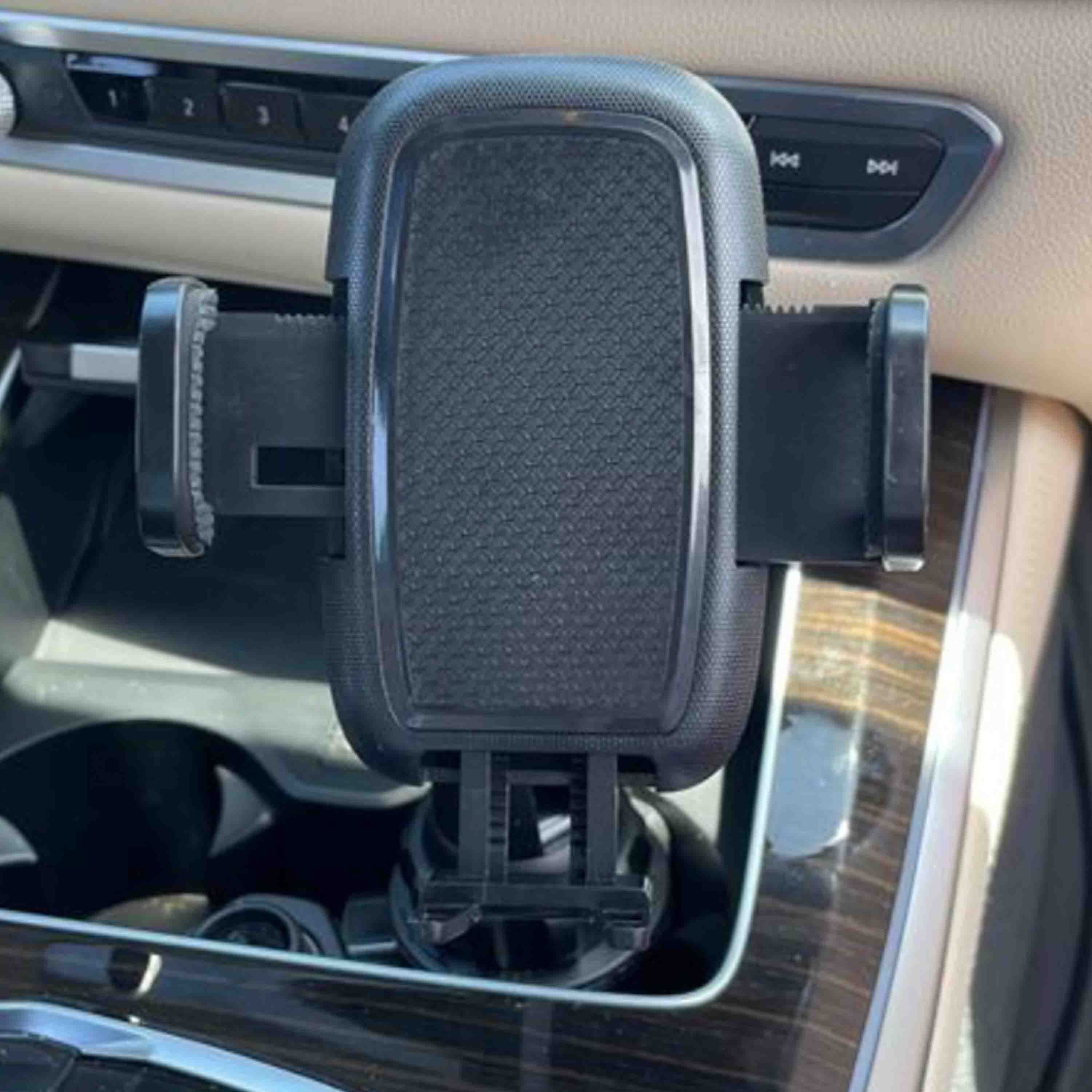
Many drivers face the same decision. Hold the phone for maps or risk missing a turn. The safest choice is neither. Use a secure, hands-free mount.
Phone mounts from Cozy Cup Holder help reduce this risk. The phone sits steady in the cup holder. It stays within natural sight lines. No sliding. No fumbling. No blocked vents. Small setup changes remove entire distractions.
4. Never Drive Drowsy
This is one of the most important safety tips to follow. When your body is tired, it won’t work well. A tired body is dangerous for driving. It slows reaction time and clouds judgment.
When driving, if your eyes feel heavy or you’re just not able to understand the way, it’s your body’s way to tell you that you need to stop. When in this condition, don’t think that music and open windows can help.
The right move is rest. Pull over. Switch drivers. Take a break. No schedule is worth the risk.
5. Keep Your Hands on the Steering Wheel
Many crashes happen close to home. Familiar roads lower alertness. Hands drift. Attention fades. That is when surprises happen.
Even when you’re experienced, it’s not recommended to relax your hands. A relaxed grip is fine. But moving your hands away from the steering wheel is not. Keep your hands positioned so you can react without thinking.
6. Respect Weather More Than the Clock
When you’re driving, the weather plays an important role in a smooth drive. Weather changes everything. Rain reduces traction. Fog limits vision. The bright sun creates glare.
At times, people usually speed up when they’re getting late to reach a destination within the stipulated time. And if the weather is not favorable, accidents happen.
Whatever happens, try to drive at a safe speed, especially during the bad weather. Drive safely and use lights correctly. Arriving late is better than not arriving.
7. Give Other Drivers More Grace Than Feels Natural
Not every mistake is intentional. Some drivers are new. Some are tired. Some simply misjudge.
Aggressive reactions raise the risk fast. Tailgating. Honking. Sudden moves. None of these make roads safer.
Patience protects you. Leave space. Let others merge. Staying calm is a safety tool.
8. Secure Loose Items Inside the Car
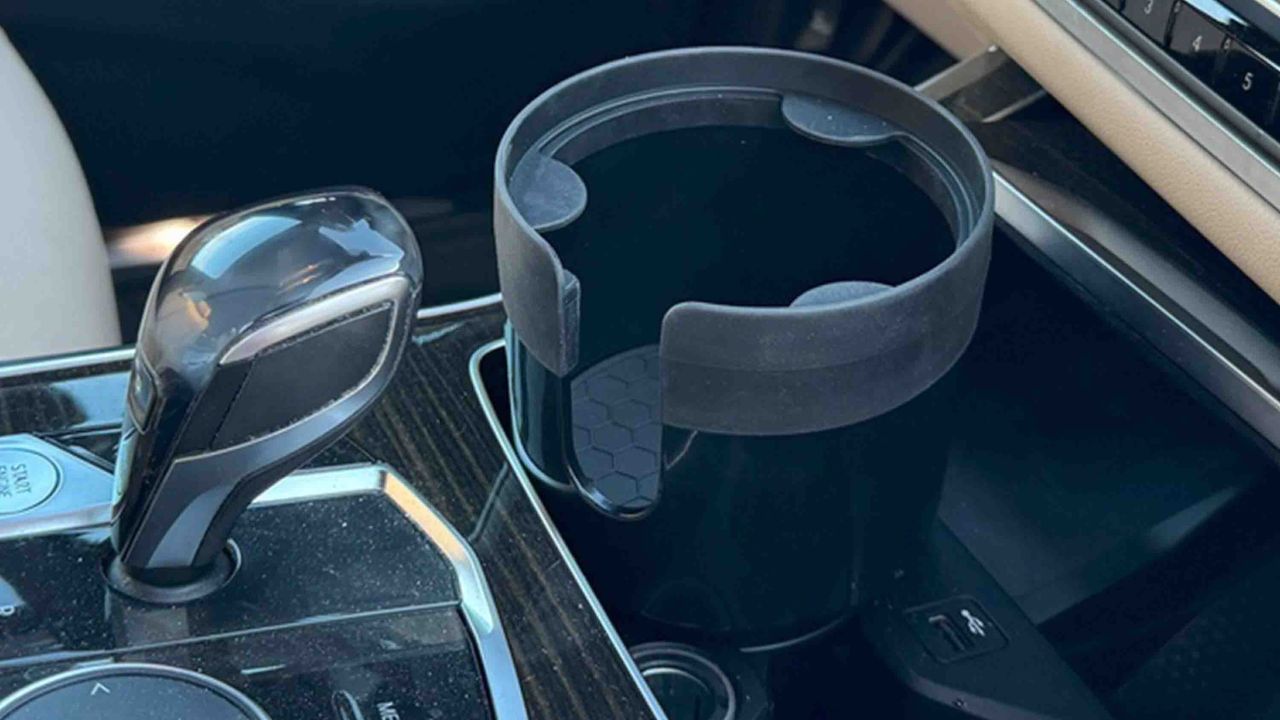
Loose objects become hazards during sudden stops. Reaching for a sliding phone or tipping a drink takes focus off the road.
This is why stable organizers matter. Cozy Cup Holder began as a fun, pop-up cup holder idea. Over time, drivers noticed something important. When drinks and phones stay put, panic grabs disappear. A tidy cabin supports a clear mind.
9. Always Drive Sober, No Exceptions
Drinking and driving sounds thrilling. But this is exactly what drivers shouldn’t do. When talking about sober driving, it’s not just about alcohol, but drugs and some medications as well. If it hampers your reaction time, it does not belong behind the wheel.
Many people underestimate impairment, but even small amounts increase risk. Therefore, plan and use a ride rather than driving on your own. If possible, you could also delay the trip. The inconvenience is temporary. The consequences are not.
10. Use Signals Every Time
You're driving, and suddenly the vehicle in front of you turns right, showing the left signal. Incorrect signalling is a dangerous thing on the road. Turn signals are communication tools. Not suggestions.
Signal early. Signal clearly. Use them even when the road looks empty. Pedestrians, cyclists, and fast-moving cars depend on that signal.
When you communicate clearly, it will prevent any surprises and any future crashes.
11. Check Blind Spots, Even with New Technology
Cameras and sensors help, but they are not perfect. Technology can miss motorcycles, cyclists, or fast-approaching cars. A quick physical check adds protection.
Therefore, it is best to keep a balance between the two things. Human awareness and technology work best together. So, instead of depending on technology completely, try using it smartly.
12. Maintain Your Vehicle Regularly
Your car’s condition affects safety every day. Tires. Brakes. Lights. Wipers. Many drivers wait until something feels wrong. By then, it often is. Routine checks prevent emergencies.
Therefore, it’s best to pay attention to recalls. Fixes are often free. Ignoring them is costly.
Implement These Tips and Drive Safely
Safety is not about perfection. It is about stacking these small things. A seat belt. Rest. Patience. A phone mounted instead of sliding.
Tools like hands-free phone mounts from Cozy Cup Holder help remove friction from safe habits. Less fumbling. Fewer distractions. More eyes forward.
Most crashes are moments. Moments where a different choice could change everything. So the next time you get into your car, ask yourself one simple question. What small decision can I make right now to keep this drive calm, steady, and uneventful?
FAQs
Q1: How to handle bad weather while driving?
First, slow down your car, increase the distance between cars, and turn on your vehicle’s headlights to increase visibility.
Q2: What to do if I am fatigued?
You can either walk around, change drivers, or take regular breaks.
Q3: How do I drive near intersections?
Always look to your left and right while driving around this area, even when the light is green.
Q4: How can I drive at night?
Always keep your vehicle’s speed slow, even when you’re familiar with the road. Additionally, keep the headlights on at all times.
