
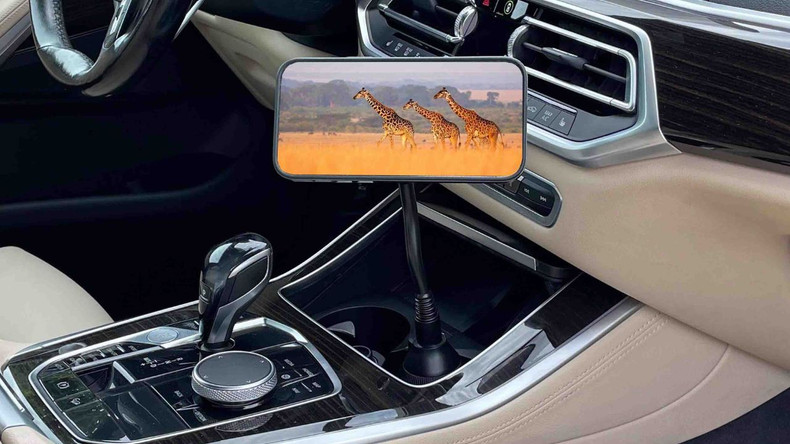
On an overlanding adventure, the roads can be tough, but the journey doesn’t have to be. To have an effortless and smooth overlanding trip, the best accessories are those that make it easy.
Overlanding accessories can make or break your long off-road trip, and the right starter kit keeps you safe, comfortable, and sane without draining your savings.
If you are someone who loves going on adventures, overloading can be a great way to have a unique experience. How exciting it would be to drive around to off-beaten places and live in an area where there’s just peace all around.
We’ve listed 13 must-have accessories that you should have. Overlanding is not about buying everything. It is about buying the right things. Gear should solve problems, not create new ones.
What is Overlanding?
Overlanding is not just about driving in rough terrains; it's more about stepping away from the map and heading into the unknown. The entire experience is about how you reach remote and unexplored places, living out of your vehicle, and depending on your skills, your gear, and your resilience.
With overlanding, the road is only part of the story. You camp in wild spaces without facilities, you stay out for days, and sometimes weeks, and everything you need travels with you. And when something breaks, or the weather turns, you figure it out.
Why Beginners Need a Smart Overlanding Accessories List
Most people ask the same question early on. Do I really need all this stuff?
The honest answer is no. You do not need everything. But you do need the essentials that handle safety, navigation, power, water, food, and comfort. Miss one category and the trip can turn stressful fast.
This guide focuses on beginner-friendly overlanding accessories that offer the biggest payoff. Each item earns its spot because it solves a real problem you will face on the road.
1. All-terrain Tires
All-terrain tires give you better grip on dirt, gravel, sand, and snow without killing highway comfort. For beginners, they are the safest balance.
Mud-terrain tires look cool, but they are loud, heavy, and wear fast. Highway tires fail quickly off pavement. All-terrain tires sit in the sweet spot.
When choosing tires, focus on load rating, sidewall strength, and the size that fits your stock suspension. Bigger is not always better.
Why this matters:
- Better traction on mixed terrain
- Stronger sidewalls resist punctures
- More predictable handling off-road
2. Recovery Boards
Recovery boards are lightweight traction devices that help you drive out of sand, mud, or snow without a winch. For beginners, they are easier and safer than tow straps or snatch recoveries.
Look for boards with reinforced teeth and mounting options. Cheap boards crack fast under weight.
If you’re wondering, “Do I need this?” Think about:
- Are you traveling solo?
- Is your route sandy or muddy?
- Do you want a tool that needs no help?
3. Portable Air Compressor
Air pressure matters more off-road than most people realize.
Lower tire pressure gives better grip and a smoother ride. But you must air back up before hitting the pavement. Driving long distances on low pressure destroys tires.
A portable air compressor solves this problem every single day of your trip. Hard-mounted compressors are great but pricey. A quality portable unit is perfect for beginners.
Key features to check:
- Duty cycle for longer use
- Alligator clips for battery connection
- Built-in pressure gauge
4. Roof Rack or Cargo Platform
Space disappears fast once you pack water, food, tools, and camp gear.
A roof rack adds flexibility and lets you move bulky items like recovery boards, fuel cans, or a rooftop tent out of the cabin.
For beginners, a simple cargo platform works better than a full expedition rack. It is lighter, cheaper, and easier to install.
Just remember this:
- Weight up high affects handling
- Pack light items on the roof
- Keep heavy gear low
5. Water Storage System
Water is not optional. You need water to survive while you’re on the road. Plan at least one gallon per person per day. More in hot or remote areas.
Jerry cans work, but collapsible water containers save space. Built-in tank systems also work, but they are not required at first.
You can also get simple containers with spigots. These are easy to fill, clean, and replace.
Before getting a water storage system, ask yourself:
- How many days are between resupply?
- How hot is the environment?
- Do you need drinking and washing water?
6. Cup Holder Adapters
This sounds small until it saves your day. Most vehicles have terrible cup holders. Overlanding mugs, bottles, and insulated cups rarely fit, which leads to spills and damaging the electronics.
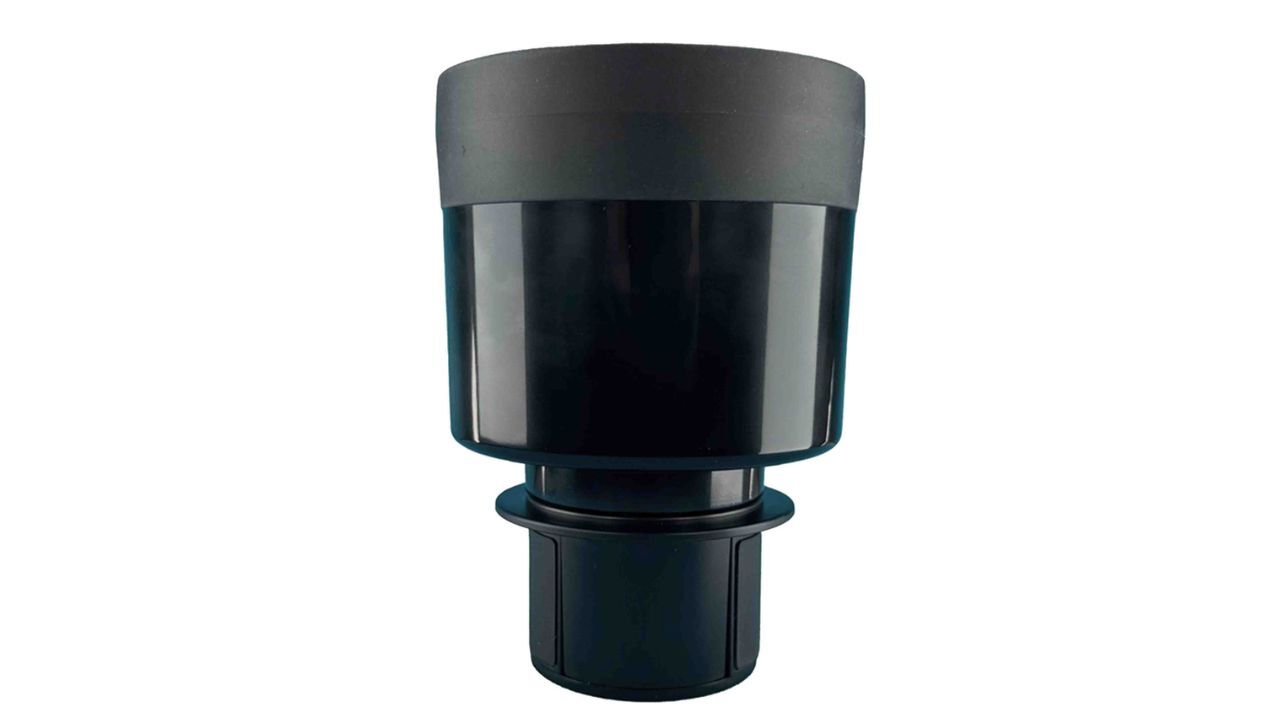
Cup holders from brands like Cozy Cup Holder fit larger bottles and mugs securely. There’s no rattling, no tipping, and it works great on rough trails.
These are not flashy overlanding accessories. They are quality-of-life upgrades that reduce frustration every single day.
Why beginners love them:
- No vehicle mods needed
- Works with common travel mugs
- Prevents spills on rough terrain
7. Power Station or Dual Battery Setup
Power anxiety is real on long trips. Phones, GPS units, cameras, fridges, and lights all need power. Relying solely on your vehicle starter battery is risky.
To tackle this issue, a portable power station is the easiest solution. It needs no wiring and installation. Just charge and go.
Dual battery systems are great long-term, but add cost and complexity.
A good starter setup includes:
- Portable power station
- 12V vehicle charging
- Solar panel option
8. Reliable Navigation System
Cell service disappears quickly off the beaten path. For this, paper maps are great backups, but digital navigation with offline maps is the modern standard.
Use a dedicated GPS unit or a tablet with offline map apps, and always download maps before you leave.
Navigation basics:
- Offline maps installed
- GPS device or mount
- Compass as backup
9. Camp Lighting
Once the sun goes down, good light changes everything.
To make sure you’re not stranded in the dark, headlamps are essential. On the other hand, area lights make the camp feel livable. Also, having vehicle-mounted lights is great as they help with setup and repairs.
Lighting is not about brightness. It is about placement and usability, and choosing the right light helps you stay calm the entire day.
Things to consider while getting camp lighting:
- Avoid cheap lights with blue, harsh beams
- Warm light reduces eye strain
10. Cooking System
You can’t keep ordering food when you're on a road trip. You do crave for a home cooked meal at some point in time. Therefore, it’s important that you keep a cooking system and supplies handy.
A simple two-burner stove is perfect for beginners. It handles real meals and uses common fuel. Some people even love campfire cooking, for which you need to carry some wood with you.
While a stove can help you cook faster and cleaner, woodfire cooking can take some time. Here, you need to think about what you want.
Overcomplicated kitchen setups also slow you down. Therefore, start simple and upgrade later.
Starter cooking gear:
- Two-burner propane stove
- Wind protection
- Basic cookware
11. Cooler Or 12v Fridge
Cold food and drinks feel like a divine elixir when the weather is hot.
High-quality coolers work well for short trips, while 12V fridges shine on longer journeys. Fridges cost more, but it removes the stress of ice management and food spoilage.
If you start with a cooler:
- Buy the best you can afford.
- Cheap coolers leak, warm fast, and waste food
12. Interior Organization
If your vehicle is messy, it builds stress, and stress kills trips.
Interior storage solutions keep gear accessible and quiet. Soft bags, drawer systems, and seat-back organizers all help.
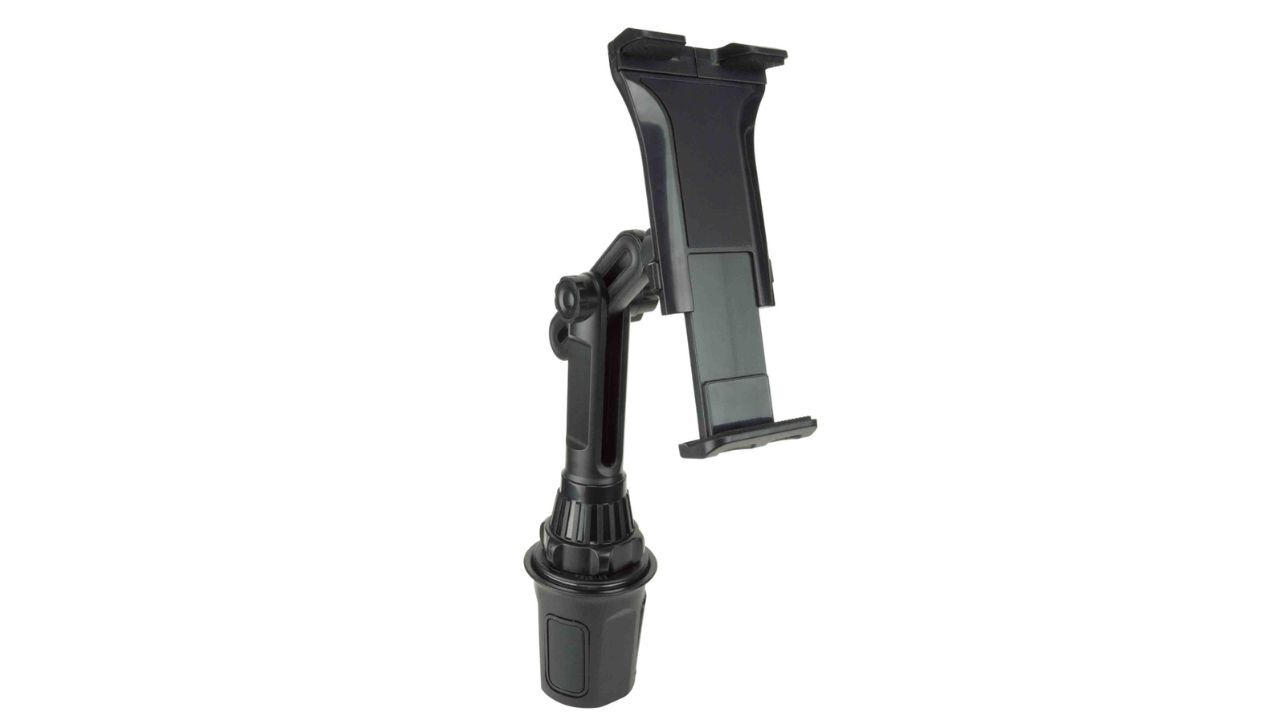
If you’re a digital person and use a tablet while on the road, a tablet holder with a heavy-duty car cup holder base could be a great option. You can attach your tablet to the holder and work on it hands-free. It also makes sure that you’re not distracted from your way.
The goal here is simple. You should reach what you need without unloading everything. This is where beginners often overpack. Organization forces smarter choices.
While getting interior organization accessories:
- Check what keeps your cabin neat
- What is actually useful
- Accessories that keep you safe
13. Basic Tool And Repair Kit
Always think about the emergencies that you might face on the road. For this, keep a basic tool and repair kit handy.
You do not need a full workshop. You just need the basics to fix small problems before they become big ones.
A starter kit should include tire repair plugs, basic hand tools, duct tape, zip ties, and fluids. Just remember, simple tools save trips.
Starter repair essentials
- Tire plug kit
- Multi-tool
- Basic sockets and wrenches
- Zip ties and tape
How To Think Before Buying Overlanding Accessories
Before you spend money, ask one question. What problem does this solve?
If you cannot answer that clearly, skip it.
While good gear disappears into the background, bad gear demands attention. Over time, your setup will reflect your travel style. The best is to start simple, learn fast, and upgrade with purpose.
The best overlanding accessories are not the ones with the biggest marketing budget. They are the ones who quietly work every day while you focus on the road ahead.
