
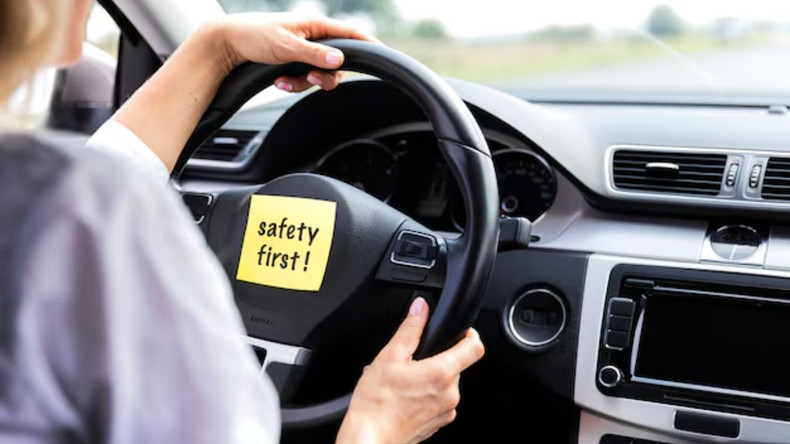
Defensive driving is nothing but a way to avoid problems while driving. And how can you do that? The simple way of defensive driving is by staying calm, alert, and ready for any circumstances to come. When you’re already prepared for the danger, you avoid it before it becomes an actual problem.
Driving on a road is pretty unpredictable. There could be mud, snow, water, wildlife crossing, or just people crossing around. This is when defensive driving helps by allowing you to plan beforehand for your or someone else’s error.
If you want to drive smarter, and not just legally, you need to learn habits that work on real roads, in real weather, with real distractions. So, what are some essential defensive driving tips? Let’s walk through it together.
Why Defensive Driving Matters
Before we get into tips, let’s understand the “why.” Roads are busier than they were even ten years ago. Cars are quieter, faster, and filled with screens. And many drivers are tired, rushed, or distracted.
One of the rules of defensive driving is accepting that you cannot control others, only your own actions. That idea alone changes how you see every trip. When you have this thought in mind, you stop reacting and start predicting.
Defensive driving is not about fear. It is about confidence built on awareness.
Tip 1: Stay Alert At All Times
This may sound like an obvious thing, but being alert is more than keeping your eyes open. It's more about scanning the way ahead, checking mirrors often, and reading the flow of traffic.
People tend to be ignorant when driving on the highway. The long stretch and clear road often make people sleepy as they pick up the rhythm.
This is the time when you have to drive defensively. While driving for long stretches, check the mirror every few seconds, and scan far ahead for brake lights or lane shifts every minute. Doing this keeps you away from surprises.
Things that help alertness stay strong include:
- Proper sleep before long drives
- Short breaks every two hours
- Keeping the cabin comfortable and uncluttered
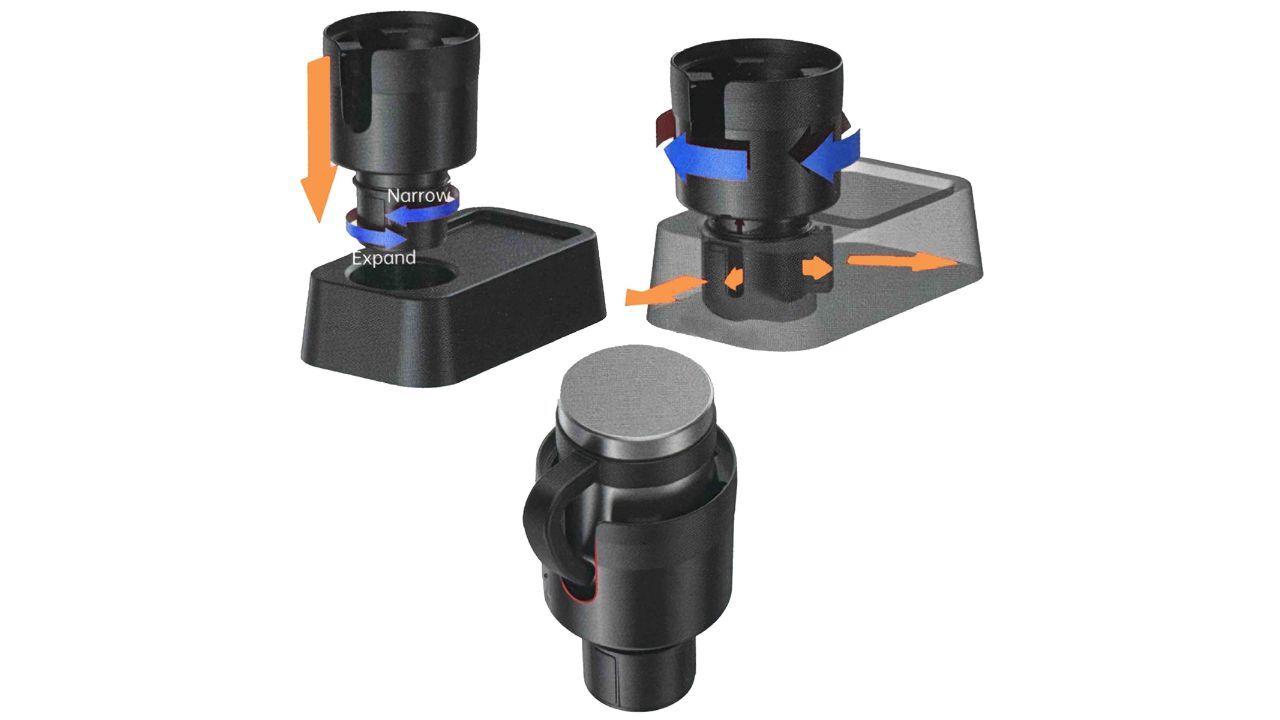
A small thing like a cup holder from Cozy Cup Holder can help here. When your coffee stays steady and easy to reach, you are not fumbling or spilling at 100 km/h. Less distraction equals more focus.
Tip 2: Keeping a Safe Following Distance
Tailgating is one of the most common and dangerous habits on roads. Ice, rain, and gravel already shorten stopping time. On the other hand, closing gaps removes your safety buffer.
One of the rules of defensive driving is the three-second gap in dry weather. In winter, double it. Yes, someone might cut in, but let them. Remember, space is safe.
Key reminders:
- Increase distance in rain, snow, or fog
- Watch the car ahead of the car in front of you
- Do not feel pressured by aggressive drivers
Tip 3: Expecting the Unexpected
Assume mistakes will happen. While you are driving, a parked car’s door can be opened, a cyclist can wobble, or a deer can step out at dusk.
When you expect problems, you react faster and more smoothly. You brake earlier, you change lanes calmly, and you avoid panic moves.
This mindset is vital on rural roads, especially in provinces where wildlife crossings are common. Slowing down slightly at sunrise and sunset saves lives, human and animal.
Helpful ways to practise this habit include:
- Watching wheels, not just headlights, at intersections
- Treating green lights as “stale” until you confirm cross traffic has stopped
- Expecting pedestrians near schools, malls, and transit stops
- Being extra cautious near parked cars where doors may open suddenly
Tip 4: Adjust to Weather and Road Conditions
The weather is natural and unpredictable. It changes fast and without warning. Defensive drivers adjust speed early, not after losing traction.
Driving slower does not mean driving scared. It means respecting physics and being ready for any foreseen situation.
When conditions change:
- Reduce speed before curves and bridges
- Brake gently and earlier
- Avoid sudden steering inputs
If you want to keep checking the weather conditions on your phone to be prepared at all times, you can mount your phone on a phone mount by Cozy Cup Holder. Their universal phone mount is built for all mobiles, keeping you alert on the road without getting distracted.
Tip 5: Communicating Clearly With Other Drivers
Your signals, brake lights, and lane position speak for you when you’re driving. Use them clearly and early.
Signal before you slow down, not as you turn. Make eye contact with pedestrians, and avoid lingering in blind spots.
Any guesswork on the road causes crashes. Clear communication reduces this guesswork.
Simple habits that help:
- Signal at least three seconds before lane changes
- Tap brakes lightly to warn drivers behind
- Use headlights in poor visibility, even during the day
Tip 6: Manage Distractions Inside the Car
Phones, screens, food, and loose items all steal attention. Defensive driving means setting up your space before you move.
One of the rules of defensive driving is to always set your GPS, adjust climate controls, and secure drinks before shifting into drive. Once moving, your hands and eyes stay focused.
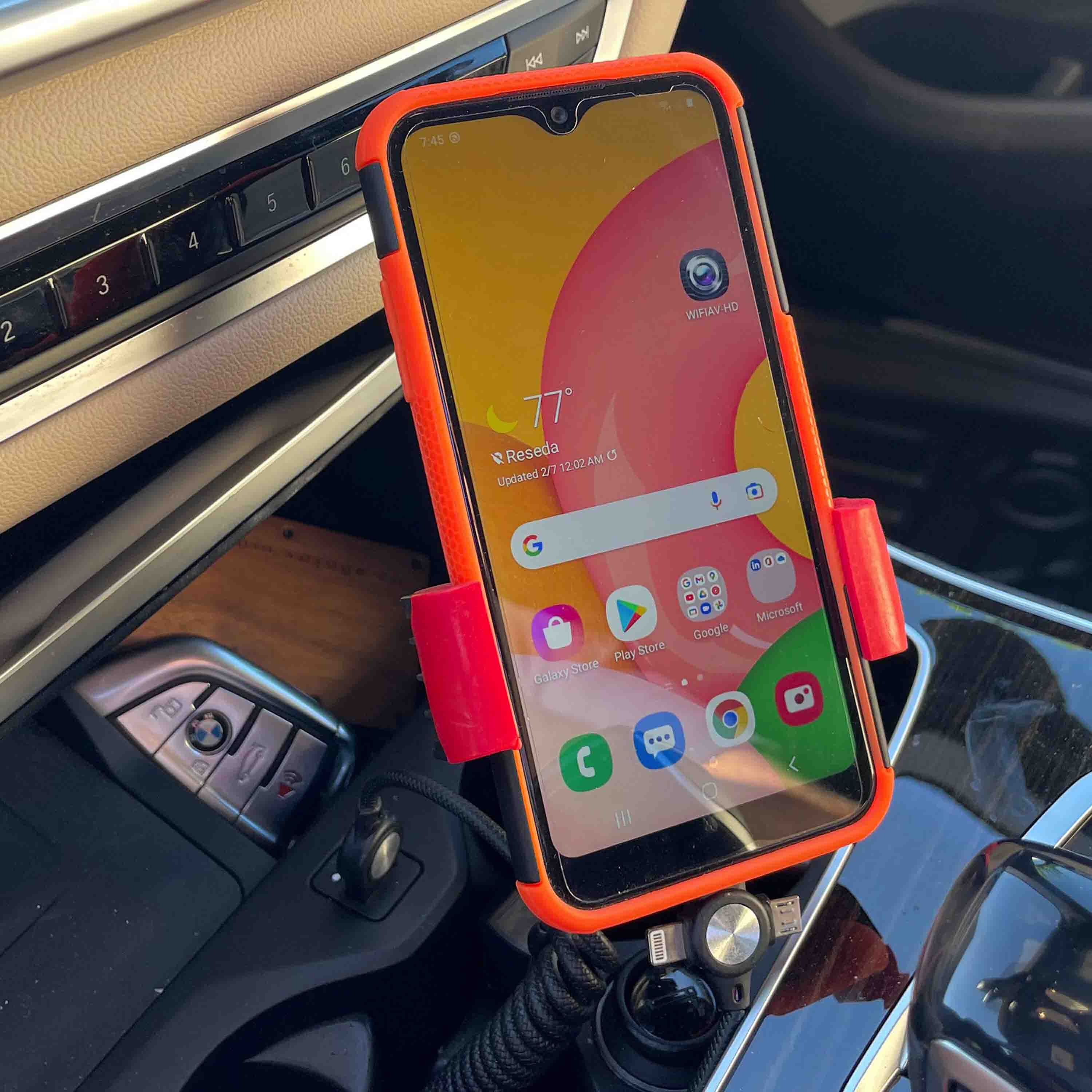
Smart setup includes:
- Mounting phones at eye level if needed
- Keeping drinks stable and spill-free
- Stopping safely if something needs attention
Tip 7: Knowing Your Vehicle’s Limits
Every vehicle handles differently. Braking distance, turning radius, and acceleration matter more than badges or horsepower.
Spend time learning how your car reacts in snow or rain. Empty parking lots after snowfall or heavy rain are great teachers. Defensive drivers respect their vehicle’s limits and never push past them just to keep up with traffic.
Important things to understand about your vehicle:
- How long it takes to stop at different speeds
- How traction control and ABS actually feel when engaged
- How your vehicle behaves on ice, slush, and wet pavement
- How added weight from passengers or cargo changes handling
Tip 8: Staying Calm Under Pressure
Road rage solves nothing. Defensive driving requires emotional control, especially when others behave badly.
If someone cuts you off, breathe. If someone honks, let it go. Your goal is getting home safely, not proving a point.
Just remind yourself, every aggressive driver might be dealing with stress you cannot see. That thought will keep your hands steady and your choices smart.
Ways to stay calm:
- Leave earlier to avoid rushing
- Play steady, familiar music
- Focus on smooth driving, not speed
Tip 9: Learn Continuously
Road rules change, vehicles evolve, and good drivers keep learning.
Refresher courses, winter driving clinics, and even honest self-reflection after close calls all help sharpen skills.
Ask yourself after a drive: what went well? What could I handle better next time? That habit builds confidence mile by mile.
Simple ways to keep improving include:
- Reviewing provincial driving guides every few years
- Taking winter or defensive driving courses
- Learning new vehicle safety features as technology changes
- Reflecting on near misses instead of brushing them off
Is Defensive Driving Really Worth the Effort?
This is the question many people ask quietly. The answer shows up over time.
Defensive driving lowers stress. It reduces fuel use. It cuts wear on brakes and tires. Most importantly, it keeps you and others safe.
It also makes driving feel less like a battle and more like a skill you control.
Tips to Remember the Next Time you Drive
Defensive driving is about anticipation and predicting what’s going to happen. There’s nothing to fear on the road. One of the rules of defensive driving is to stay alert and be prepared beforehand.
Changing and developing small habits can reduce distractions and stress. It can keep the drivers calm and patient and help them make better decisions while on the road. Products from Cozy Cup Holders can help you stay on track and keep you alert on the road while driving.
You do not need to be perfect. You just need to be aware, prepared, and willing to slow down when it matters.
