
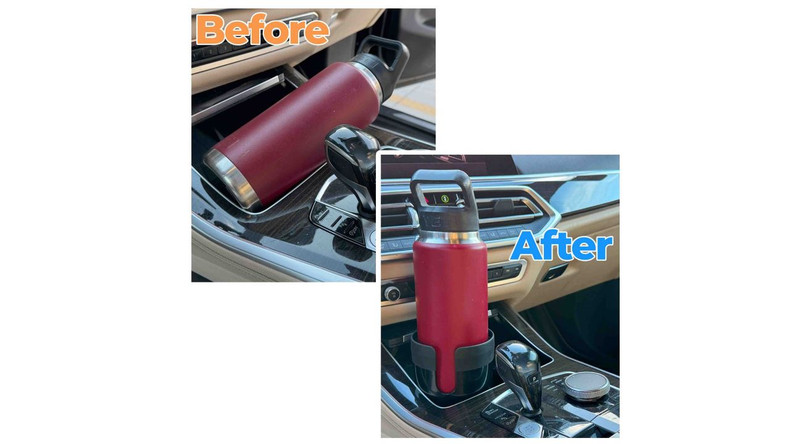
You’re all set for your road trip, but are not sure what to keep handy? We’ll guide you through!
Road trip essentials for car travel are items that prevent stress, safety issues, and wasted hours before they ever appear. When the right basics are in place, most road trip problems never get the chance to grow.
Almost every road trip can go wrong in small ways. A phone slides off the seat. A drink tips over. Navigation becomes a guessing game. These moments feel minor, but they chip away at focus and patience.
The goal is not to pack more. It is to pack smarter, with items that support safe decisions, steady driving, and a calm mindset from mile one.
1. A Secure Phone Mount for Navigation
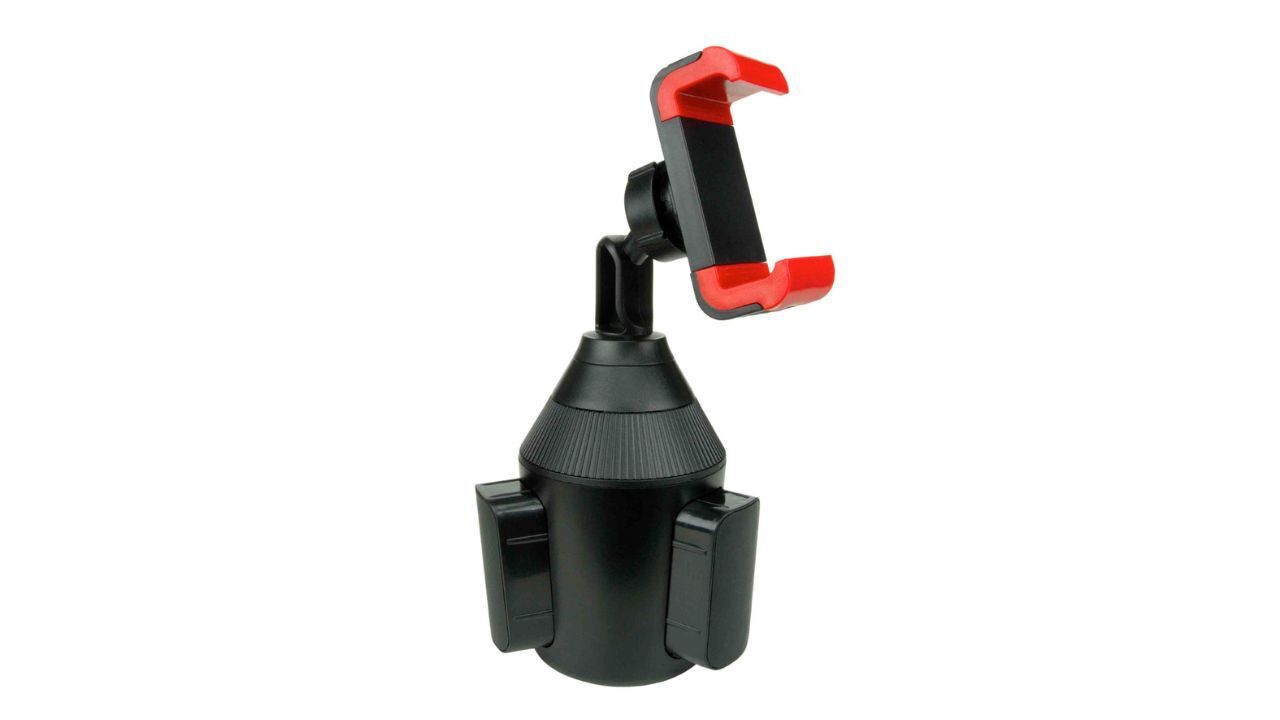
Navigation is non-negotiable on modern road trips. Your phone handles maps, traffic alerts, calls, and music all at once. Trouble starts when the phone has no stable place while you drive.
Loose phones slide, fall, or demand attention at the worst times. Each glance down steals focus from the road. A secure phone mount solves this by keeping navigation visible without blocking your view or forcing awkward reaches.
Cup-holder-based phone mounts work especially well because they stay steady on uneven roads and keep screens at a natural viewing angle.
Designs like the ones Cozy Cup Holder offers are useful because they blend into the car rather than demanding attention. When navigation stays put, driving feels simpler and safer.
2. Offline Maps or a Physical Backup
Digital maps feel reliable until they are not. When there’s a bad network, signal drops happen more often. This especially happens on highways, mountain routes, or rural stretches.
When on a road trip, make it a point to download offline maps before leaving your place. Offline maps give you control when the network disappears. A simple paper map also works as a backup.
Having multiple maps on hand can reduce uncertainty and rushed decisions. Also, having a backup removes panic from the equation and lets you keep moving with confidence.
3. An Emergency Kit That Fits the Journey
While an all-in-one emergency kit is better than nothing, a route-specific kit is better than both.
Think about climate, distance, and how quickly help could reach you. Especially on a road trip, having a specific emergency kit helps and reduces stress.
Jumper cables, a flashlight, reflective gear, and basic tools cover most situations. Cold areas call for blankets. Hot routes demand extra water. Long highway drives benefit from tire repair tools.
Ask one honest question before leaving. If the car stopped here, would I feel prepared for an hour? If the answer is no, adjust your kit.
4. Enough Water to Stay Alert
Did you think water could only quench your thirst? Well, it does more than that! Water does. It keeps reaction time sharp and fatigue in check.
Drivers often underestimate how much water they need, especially during long summer drives. Having water within easy reach also matters. Reaching around while driving causes distraction, even if it feels automatic.
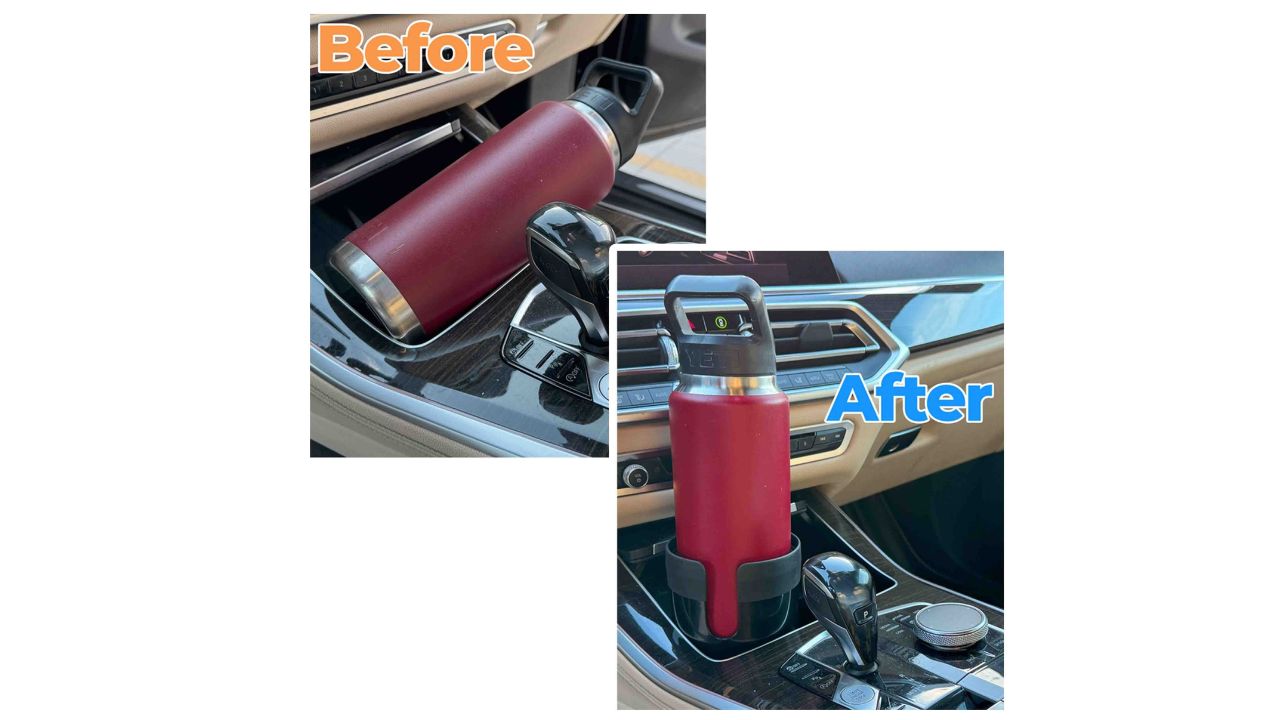
Stable cup holders help here. When bottles stay upright, hydration becomes effortless instead of annoying. Over years of real-world use, poppable, snug-fit cup holders proved their value by reducing spills and fumbling. Small stability changes can make a big difference over long hours.
5. Snacks That Support Focus
You can’t ignore your hunger pangs when you’re on the road. Especially if you’re driving to a place that has no eateries around. Therefore, it’s good to keep something you can munch on.
However, your food choices matter. Heavy or messy snacks slow you down and create distractions.
It’s always best to choose snacks that are easy to eat, filling, and low-messy. Nuts, protein bars, fruit slices, or crackers work well. Avoid anything sticky, greasy, or crumb-heavy. These foods seem harmless until they end up on steering wheels or seats.
6. Reliable Charging for Every Device
A dead phone on a road trip is not just inconvenient. It removes navigation, communication, and emergency access all at once.
Bring a fast car charger and cables long enough to reach mounted devices comfortably. Test everything before you leave. Old cables fail without warning, often at the worst time.
Think through real usage. Phones, tablets, dash cameras, and passenger devices all need power. One charging port rarely covers a full day on the road.
7. Sunglasses and Eye Comfort Essentials
Imagine the sun’s rays shining directly on your eyes. It would be so irritating, right? This is when sun glares come to your rescue. Wearing sun glares isn’t just for show, but they do have a bigger purpose.
Not many drivers realize that wearing sun glares could help you drive faster. Squinting reduces visibility and drains mental energy over time.
When you have a good pair of sunglasses, it will improve contrast and reduce eye strain. Even cloudy days can create glare at low angles during early mornings or late afternoons. Eye drops help during long, dry drives and keep vision comfortable.
8. A Simple Trash System
Clutter creates mental noise. Wrappers, cups, and loose items pile up quickly inside a moving car.
Without a designated trash space, items roll around, fall near pedals, or tempt drivers to clean up while driving. A small trash bag or container keeps everything contained and reduces distraction.
9. Comfort Items That Reduce Fatigue
Fatigue does not arrive suddenly. It builds quietly through stiffness, irritation, and zoning out.
A few comfort items help prevent that slow drain. Lower-back support, a light blanket for passengers, and comfortable shoes for stops all play a role. These are not luxury items. They support alertness and patience on long drives.
10. A Flexible Mindset and Loose Schedule
This final essential takes no space but saves more trips than any gadget.
Build buffer time into your plan. Expect delays. Accept detours. Decide ahead of time that the trip does not need to be perfect. Rushing leads to mistakes. Calm planning supports safer decisions.
Ask yourself before leaving. Is the goal to arrive fast, or to arrive well? The answer shapes how every mile feels.
Let’s Pack Road Trip Essentials for Car Together
Each of these road trip essentials for car travel removes friction from the drive. Navigation stays visible. Drinks stay upright. Energy stays stable. Clutter stays contained.
Several products sit quietly in the background, like secure phone mounts or reliable cup holders. These products matter because they support better habits without demanding attention. After years of real-world use, it became clear that drivers value stability more than novelty.
The best road trips are not the ones without challenges. They are the ones where small problems never grow into stressful stories.
So before your next drive, take a moment to look at what you pack and ask yourself one thing. Does this item make driving easier, or just heavier?
FAQs
Q1: What should my basic roadside kit contain?
Your basic roadside kit should contain a jumper cable, a tire pressure gauge, a flashlight, and reflective triangles.
Q2: What’s the most important thing to have in case of an emergency?
A mobile phone and a charger are important in case of an emergency.
Q3: Is there anything I should check before leaving for a road trip?
Make sure to check the fluid level, oil level, brakes, lights, and tire pressure for a safe road trip.
