
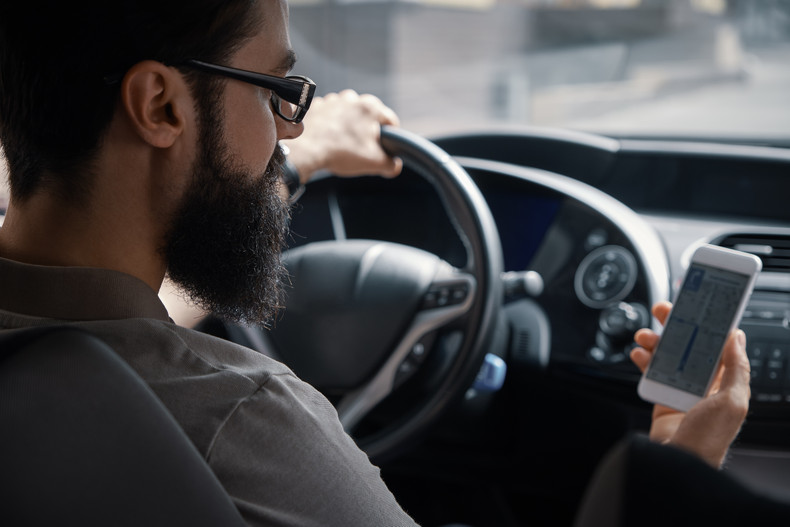
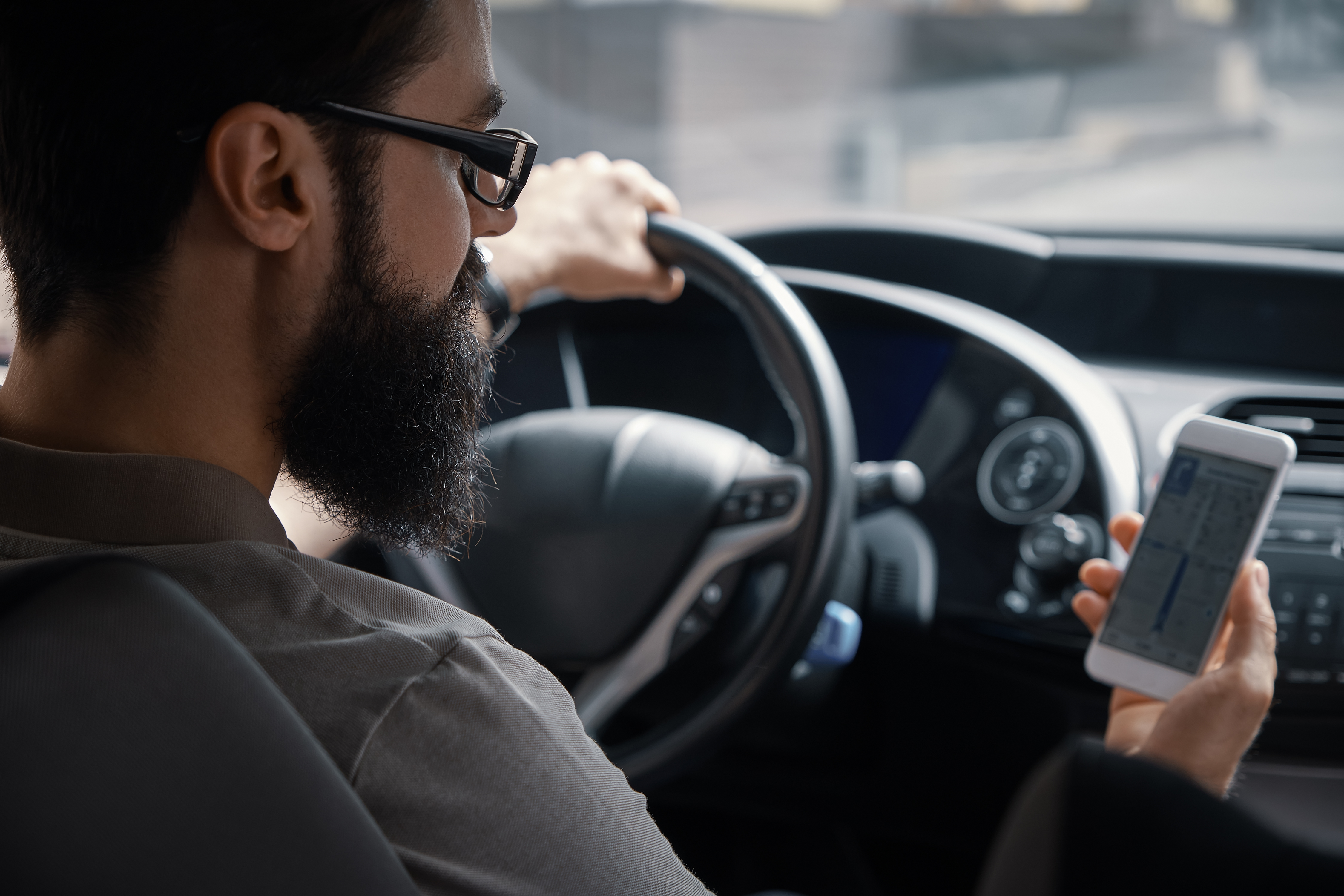
Distracted driving means your eyes, hands, or mind leave the road. Sometimes all three do it at once. The worst habits are not the ones that feel risky. They are the ones that feel routine.
Most distracted driving crashes do not happen because a driver does something wild. They happen because someone does something normal. This could be a quick text at a stoplight, a sip of coffee on I-95 or simply a fast tap on the dashboard screen while traffic crawls.
Why Familiar Habits Are the Most Dangerous Kind
Most drivers do not think of themselves as reckless. They think reckless means speeding at 100 mph or weaving through traffic in downtown Chicago at rush hour. But distracted driving works in a quieter way.
Driving is deeply automatic. After years behind the wheel, the brain starts treating daily actions like background noise. Grabbing fries from a drive-thru bag feels harmless because nothing bad happened the last hundred times. Sound familiar? That comfort is what lowers your guard.
The brain also struggles to flag repeated habits as threats. A driver who texts once may feel panic and stop. A driver who drinks coffee every morning during the commute slowly stops noticing the risk at all.
Habit 1: Texting or Scrolling
You already know texting and driving is dangerous. But has that stopped you? Millions of drivers still glance down at screens every day because the danger feels delayed. The road looks calm, the car stays straight, and nothing crashes. So the brain says it must be fine.
In 2024, National Highway Traffic Safety Administration (NHTSA) recorded 3,208 deaths in distraction-affected crashes. That number has barely changed in years. At the same time, surveys show 47% of drivers still send or read texts while driving. People know the risk. They just do not feel it in real time.
Insurance telematics data shows drivers brake harder and drift more in the seconds after checking a screen. The brain needs time to lock back onto traffic. A two-second glance can leave your attention lagging for much longer. That tiny gap is enough for a rear-end crash.
Habit 2: Holding Your Cellphone During Calls
Holding your cellphones during a phone call is another habit that most drivers have. Many drivers hold their cellphones during a call because of daily habits.
Your hand is not free, you’re driving using one hand and instead of focusing on the road, your brain starts tracking the conversation. You miss brake lights, you overlook lane drift, and you stare straight ahead while processing almost nothing.
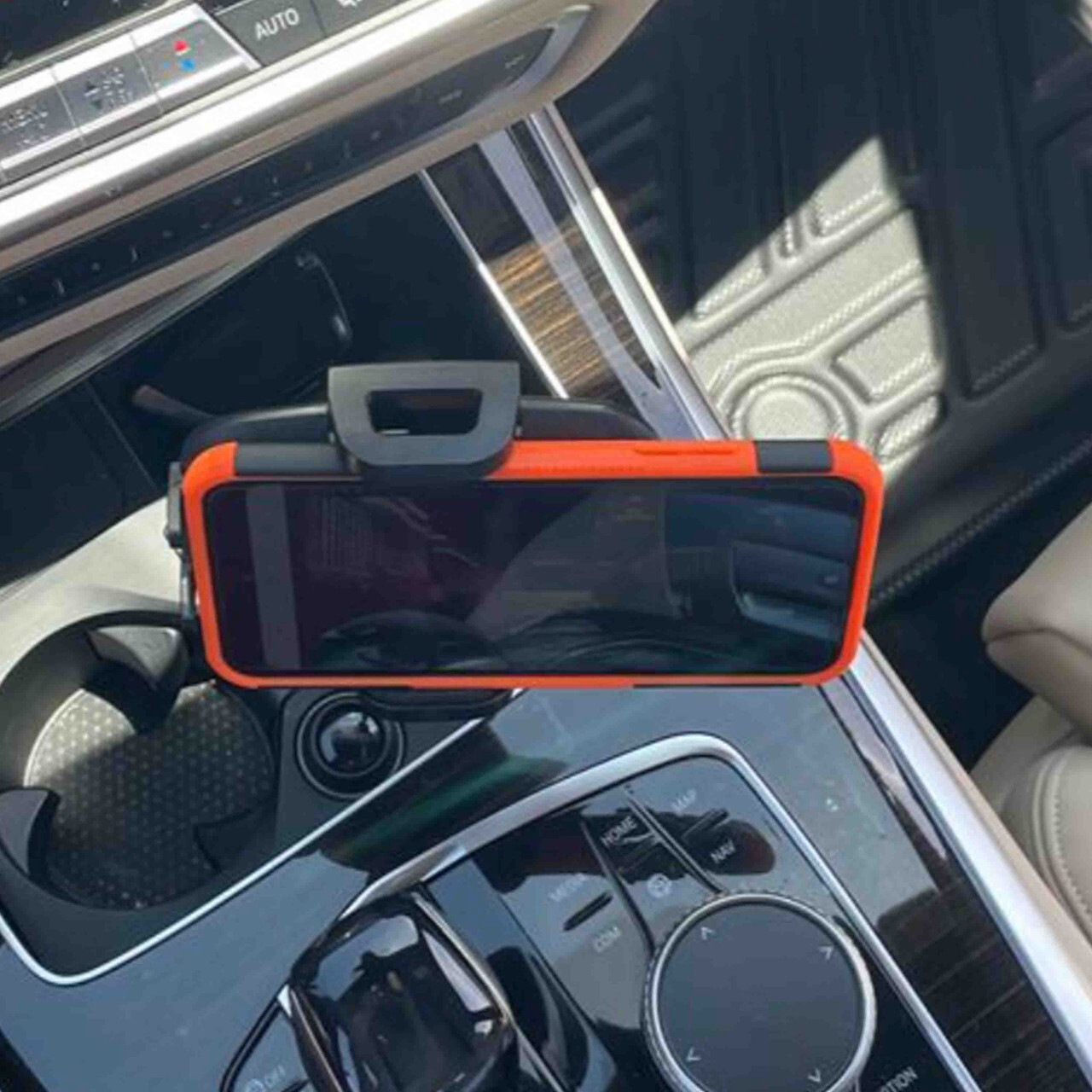
This is when a phone mount helps. Phone mounts from trusted brands like Cozy Cup Holder offer multiple kinds of phone mounts that can be attached to your car’s cup holder. This means your phone will be below your eye level, and you won’t be distracted with your phone’s screen while talking.
Habit 3: Eating and Drinking Behind the Wheel
Your coffee cup is not dangerous. What happens when you spill it is. That split second panic changes everything.
American Automobile Association (AAA) data shows drivers are about three times more likely to crash while eating or drinking. The food itself is rarely the main issue. The problem starts when something goes wrong. Hot coffee splashes onto your lap, a burger falls apart or the sauce hits your shirt before work.
Suddenly both eyes leave the road while your hands scramble to fix the mess. That is when traffic stops ahead.
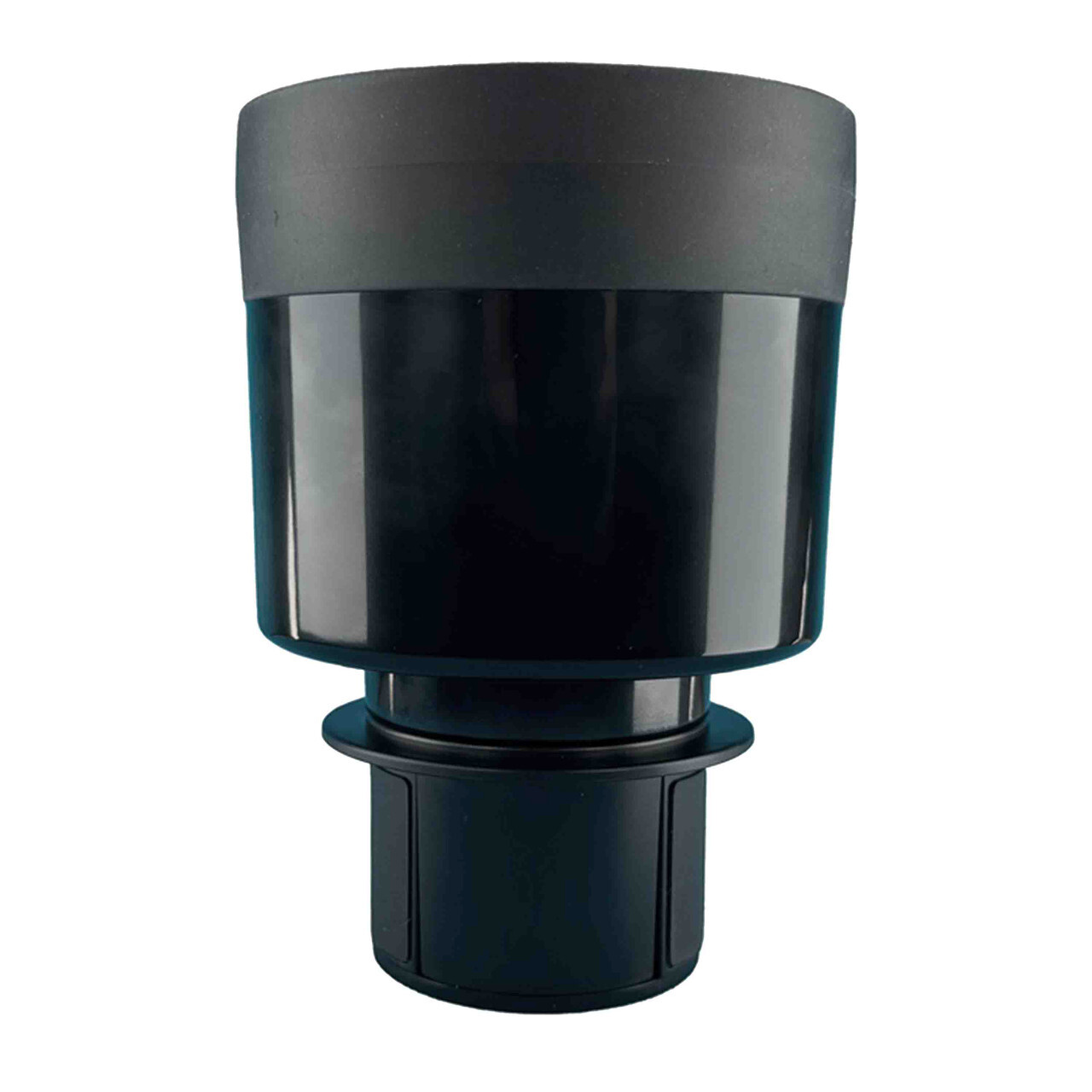
This is where products that stabilize drinks inside the car can help reduce movement and spills. Options like the Cozy Cup Holder Expander are built for oversized tumblers and wide water bottles that wobble in factory cupholders. A loose 40-ounce tumbler tipping during traffic is not just annoying. It becomes a distraction source when you’re driving.
Habit 4: Adjusting GPS or the Infotainment Screen
The most underrated distraction on this list is not your phone. It is your dashboard. Modern cars now ship with giant touchscreens that demand constant tapping and swiping. Some feel more like tablets than driving controls.
AAA testing found certain Tesla, Volvo, and GMC infotainment systems kept drivers' eyes off the road for dangerously long stretches. Some tasks required nearly 40 seconds of interaction time. Think about that. At highway speed, your car keeps moving the whole time.
And unlike a phone, the distraction feels official because it came with the car. Drivers assume factory-built systems must be safe. Hunting through climate menus or changing Spotify playlists on a touchscreen during Atlanta rush hour can pull your eyes away longer than sending a quick text.
Habit 5: Grooming, Applying Makeup, or Getting Dressed
Running late does not change what a steering wheel needs from you.
This habit keeps happening because mornings are rushed. Not because drivers are careless. Someone leaves home late and decides to finish makeup at red lights. A parent changes clothes in the parking lot before work.
Grooming combines visual and manual distraction at the same time. That puts it close to texting in terms of danger. Unlike grabbing coffee, grooming often lasts several minutes. A mascara wand or electric razor keeps attention locked away from traffic longer than drivers realize. One missed brake light is enough.
Habit 6: Daydreaming and Mental Check-Outs
Daydreaming is the most common distraction in fatal crashes. The scary part is this is you cannot feel it happening.
A driver can stare directly at the road while mentally planning groceries, replaying arguments, or stressing about rent. Eyes open, but brain elsewhere. Researchers call this inattentional blindness. You are aimed at the road, not truly driving on it.
This often happens during long highway stretches. The road looks steady, nothing changes for miles, and the brain slips into autopilot. Then traffic slows suddenly around construction or a crash scene, and reaction time disappears.
Unlike texting, daydreaming gives no warning signal. At least a phone feels distracting. Mental drift feels normal. That makes it harder to stop and harder to catch in yourself.
Habit 7: Pets and Passengers as Unmanaged Distractions
Your dog is not a passenger. It is a liability when unrestrained inside a moving car.
AAA research found about 80% of drivers travel with pets unrestrained. In a crash, that becomes dangerous for everyone inside the cabin. A 60-pound dog in a 35-mph crash can create thousands of pounds of force on impact. The dog also distracts drivers before crashes happen by jumping between seats, blocking mirrors or climbing into laps during traffic.
On the other hand, passengers create a different kind of distraction. Emotional conversations pull mental focus away from driving. A heated phone call with a spouse or a loud debate between teens in the back seat competes for the same brain space traffic needs.
A few simple rules lower the risk fast:
- Use crash-tested pet harnesses or secured carriers
- Keep large dogs in the back seat area
- Pause intense conversations during heavy traffic
- Let passengers handle navigation or playlists
How to Actually Change Distracted Driving Habits
Knowing these habits are dangerous is not the same as stopping them. If knowledge worked, the numbers would already drop. They have not.
As of 2026, only 8% of US drivers in a national survey reported avoiding all 27 listed distracted behaviors during the previous year.
Most people are not failing because they lack facts. They fail because the environment inside the car still invites distraction.
A few changes work far better than willpower:
- Turn on automatic Do Not Disturb While Driving
- Set GPS before shifting into drive
- Place phones inside the glove box, not nearby
- Secure large drinks so they cannot tip or roll
- Keep pet restraints inside the car full-time
The goal is not perfection. It is removing decisions before temptation starts.
Final Thoughts on Distracted Driving
Most drivers picture distracted driving as a teenager texting at highway speed. But the bigger danger usually looks ordinary. The safest drivers are not the ones with the strongest willpower. They are the ones who remove temptation before the trip starts.
Phones stay out of reach, drinks stay secure, and GPS gets set before the wheels move. Small setup changes cut split-second mistakes that can change a life forever.
Most crashes linked to distracted driving begin with a driver who never believed they were distracted at all.
FAQs
Q1: What is the most dangerous distracted driving habit?
Texting while driving remains the most dangerous because it combines visual, manual, and cognitive distraction at once. Your eyes, hands, and attention all leave the road together.
Q2: Why do drivers keep texting if they know it is dangerous?
Because the risk feels delayed and inconsistent. Most drivers text many times without crashing, so the brain starts treating it as normal behavior.
Q3: Are infotainment screens really that distracting?
Yes. Some factory systems require long menu interactions that pull eyes off the road for dangerous stretches of time. In some AAA tests, tasks lasted close to 40 seconds.
Q4: Can eating while driving really cause crashes?
Yes. Spills and dropped food create panic reactions. Drivers often look down suddenly and stop tracking traffic during those moments.
Q5: How can drivers reduce distracted driving quickly?
Start with environmental changes. Put phones away, secure drinks properly, set navigation before driving, and use automatic driving-focus modes on devices.
