


Most lists of truck driver gadgets are useless. They throw a seat cushion beside a legal compliance tool and act like both matter the same. But they don’t.
If you drive for a living, these eight gadgets deserve your money first because they protect your CDL, your truck, your body, and sometimes your side of the story after a wreck.
A driver driving regularly on highways thinks about risk fast. This includes ice, wind, and tire pressure. That thinking exactly changes how you buy gear.
Some gadgets feel nice, while others keep you working. Before buying any gadget, know that difference first.
Why These 8 Truck Driver Gadgets Matter
Not all gadgets belong in the same tier. A coffee maker may help during a long night, but it won’t save you during a DOT stop. This is when a dash cam might help you.
That’s the mistake most new drivers make. They buy comfort first, and then the expensive lesson comes later. And, it happens all the time.
Think about these gadgets in three levels:
- Required or compliance-focused
- ELD
- Bluetooth headset
- Safety-first gear
- Dash cam
- TPMS
- Truck GPS
- Daily life upgrades
- Power inverter
- Ergonomic seat cushion
That order matters more than the list itself. Start there.
1. ELD (Electronic Logging Device)
If you drive a commercial motor vehicle in interstate commerce, you likely need an ELD.
In 2026, FMCSA rules still apply to most CMV drivers unless they qualify for exemptions like short-haul operations or pre-2000 trucks.
The ELD tracks hours automatically, protects your logbook and keeps your hours clean during inspections. Some fleets use systems from providers tied into dispatch software. Others run basic tablet setups. Either way, reliability matters more than fancy screens.
Nobody cares how pretty the app looks when the DOT officer asks for records. Keep backup paper logs in the cab.
2. Tire Pressure Monitoring System (TPMS)
A tire blowout is rarely random, and pressure usually drops first. That’s why a TPMS belongs high on this list. A loaded trailer rolling through Arizona summer heat can chew through a weak tire fast. Then things get ugly at highway speed.
Many drivers still treat TPMS units like optional truck driver gadgets. That thinking gets expensive. One shredded tire can wreck a fender, delay freight, and leave you parked beside I-10 for hours while traffic shakes the cab every few seconds.
The good systems warn you before the tire gets dangerous.
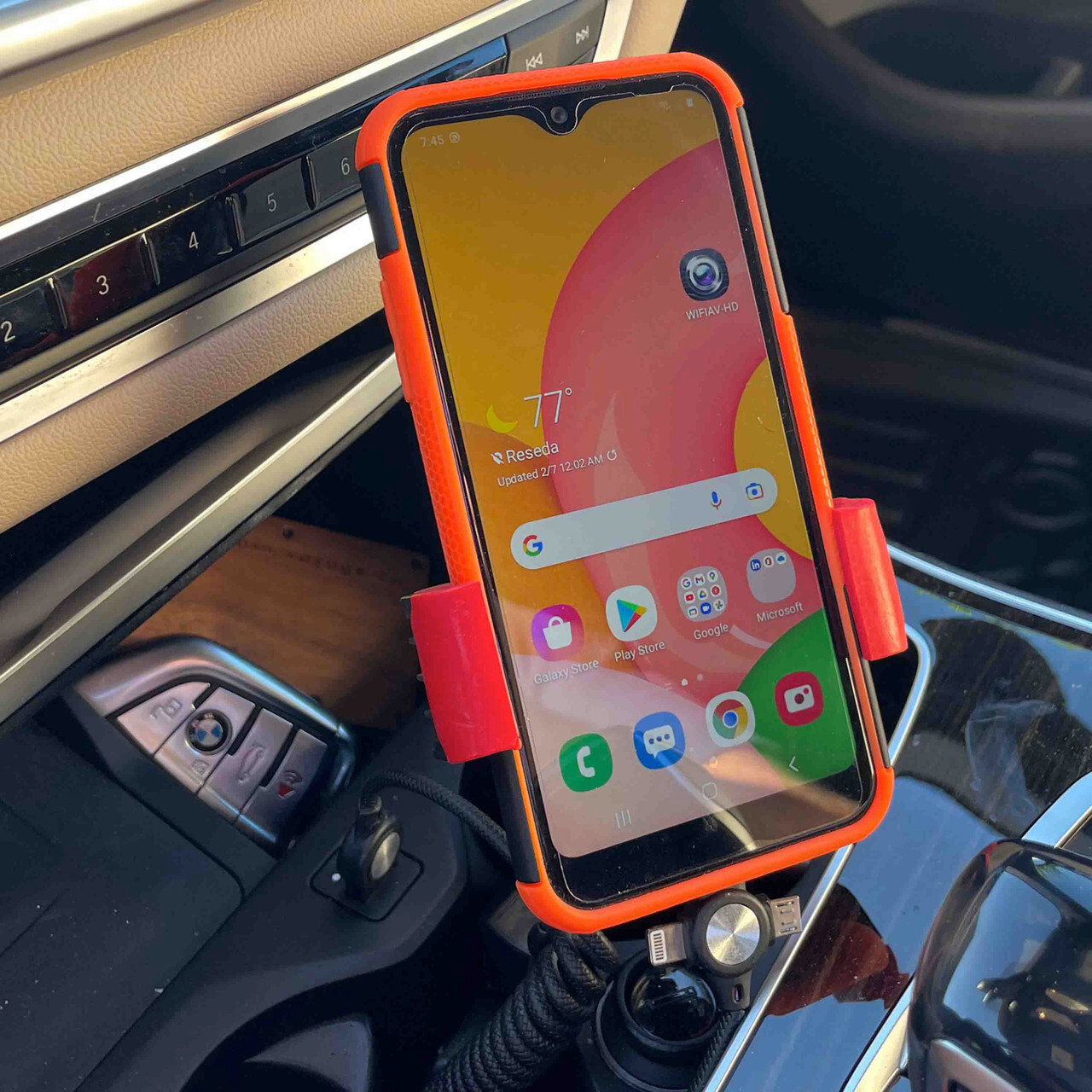
3. Cup Holder Phone Mounts
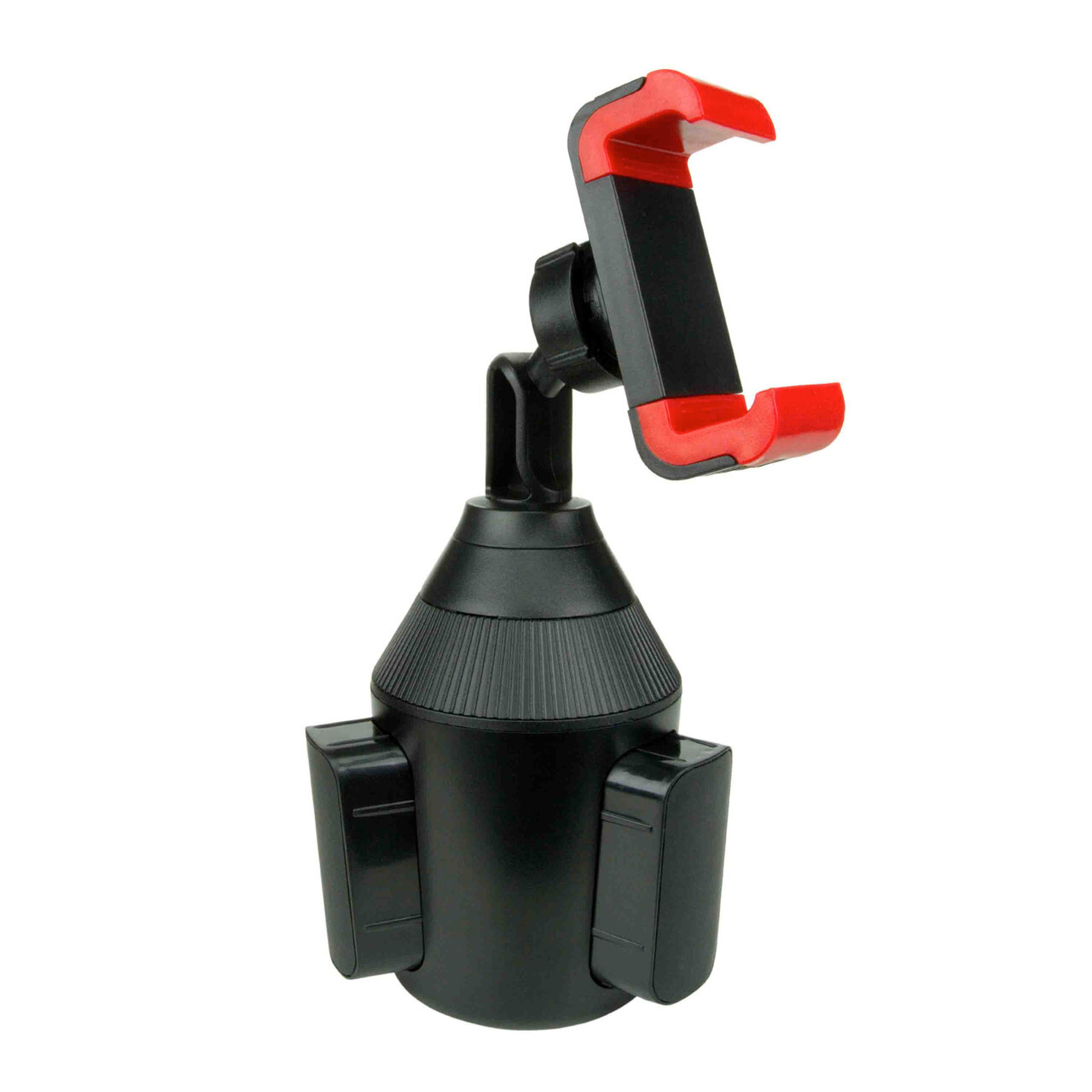
Many drivers prefer cup holder mounts because they stay stable on rough roads and don’t block the windshield. Cheap vent clips often shake loose after a few hundred miles on uneven highways which feels annoying.
Products from brands like Cozy Cup Holder are popular with truck drivers because they combine storage support and phone mounting in one setup. Drivers hauling through bumpy freight corridors or older industrial roads often want mounts that stay locked in place without sliding around the cab.
4. Dash Cam for Truck Drivers
A dash cam is the only gadget here that may keep you out of court.
A blurry 1080p image may miss a plate number at night. On the other hand, a clearer 4K setup often catches it. When disputes happen, insurance fights live on details like that.
Interior-facing cameras matter too. Drivers hate them sometimes which is fair sometimes but if someone claims distraction or phone use after a crash, cabin footage can shut down the argument fast.
Now, here’s the simple breakdown:
- 1080p cams: Fine for basic daytime footage
- 4K cams: Better plate detail and night clarity
- Dual-channel cams: Record road and cab together
- AI-powered cams: Detect lane drift or distracted driving
5. Truck-Specific GPS
Put a semi-truck route into normal phone navigation and eventually something bad happens.
Maybe it’s a low bridge in Chicago or maybe it’s a no-truck road near Newark. Consumer GPS apps route cars and not rigs.
That’s why truck-specific GPS units still matter now. They route based on truck height, axle weight, hazmat loads, and legal truck access.
A proper truck GPS filters things normal apps ignore:
- Bridge height restrictions
- Weight-limited roads
- Truck-prohibited streets
Some drivers still use phones as backup. But serious navigation belongs on dedicated truck systems. Especially across the Northeast where older roads twist through tight towns built long before sleeper cabs existed.
6. Bluetooth Headset
Most states ban handheld phone use while driving, and for CDL drivers, this rule is of utmost importance.
In 2026, FMCSA regulations still prohibit handheld mobile phone use while operating commercial vehicles. Violations can bring penalties up to $2,750 for drivers which is quite brutal.
A decent Bluetooth headset blocks engine noise and lets drivers answer dispatch safely without reaching for a phone bouncing across the dash near Baton Rouge traffic.
The sweet spot stays around the $40 to $80 range for most drivers. A headset either works cleanly or it doesn’t. So, go for one-touch controls and good battery life.
7. Power Inverter
A truck cab runs on electricity now. To use phones, tablets, coolers, laptops, and sometimes microwaves, they need to have a back up.
But many drivers buy the wrong inverter size first. Then truck drivers get frustrated when the fridge trips the breaker outside a rest stop near Flagstaff.
Here’s the easy rule and that is to buy for what you actually use.
- 150W inverter: Phones, tablets, laptops
- 500W inverter: Small coolers and TVs
- 1000W+ inverter: Microwaves and cooking gear
That decision saves money. Big inverters cost more and pull harder from batteries. Smaller setups work fine for regional drivers who sleep home most nights.
8. Ergonomic Seat Cushion
The seat cushion may be the most underrated item here.
Most people think it’s about comfort. Veteran drivers know better. It’s about survival after years behind the wheel.
A bad seat compounds over time. Lower back pain starts quietly, then hips tighten and then legs ache. Drivers step down from the cab stiff as boards after long runs through Texas. That damage stacks up year after year.
Good ergonomic cushions spread pressure better and help posture during long stretches. Especially on rough roads. Louisiana highways expose bad seating fast. But, this gadget protects your earning years.
What Truck Driver Gadgets Can Wait
Every list tells drivers what to buy, but only a few explain what can wait.
Kitchen gadgets usually fall into that category. Portable stoves and mini air fryers sound fun online, but they matter less than safety tech. A rookie driver with no dash cam should not spend $200 on a truck crockpot first.
CB radios depend on routes too. Drivers crossing mountain corridors or remote stretches still use them often. But urban freight drivers near dense metro routes don’t use it much.
Start with the gear that protects your CDL and safety first. Then build comfort around it later. That approach saves money and stress at the same time.
Drivers should first focus on safety products like dash cam, phone mount and cup holder expander. These keep your ride safe, protect you from any danger and keep your focus on the road. These also offer your comfort so you’re not driving your truck feeling worried.
FAQs
Q1: What are the most important truck driver gadgets for beginners?
Start with an ELD, dash cam, truck GPS, phone mount and Bluetooth headset. Those five protect compliance and safety first. Comfort gear can wait.
Q2: Do truck drivers legally need a dash cam?
No. Dash cams are not federally required right now. But they help during accidents, insurance disputes, and false claims. Many drivers consider them essential anyway.
Q3: Can truck drivers use Google Maps?
Yes, but relying on it alone is risky for commercial vehicles. Standard apps do not always account for truck height, weight limits, or restricted roads.
Q4: Why do truck drivers use seat cushions?
Good cushions reduce lower back strain and pressure during long drives. They help drivers stay healthier over long careers.
Q5: What happens if an ELD stops working on the road?
Drivers must notify the carrier within 24 hours. FMCSA rules allow paper logs temporarily while the unit gets repaired or replaced within eight days.
