
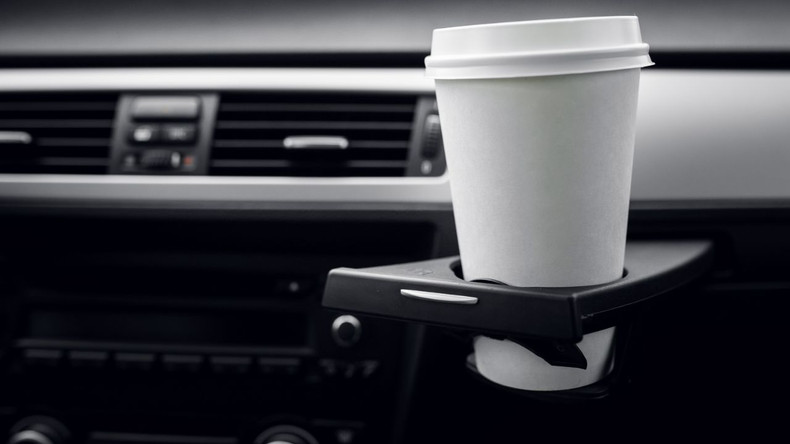

Cleaning cup holders in your car is simple: vacuum first, apply cleaner, let it sit, scrub, wipe, and dry for a spotless finish.
Most people wait until the smell hits, but that sticky, sweet smell builds slowly. Then one day, it feels impossible to ignore. Does it sound familiar? It happens because cup holders trap spills, crumbs, and heat. That mix turns into grime fast.
This guide walks you through a clear process explaining what works. Also, a few smart product choices can save you time later.
What You’ll Need Before You Start
Before you start cleaning your cup holder, you need to have the right items to do it. The wrong tool can make things worse. It can scratch plastic or leave lint behind, and slows you down.
Start simple, by using tools that reach tight spots and clean gently.
- Microfiber cloth: Soft and lint-free. It lifts dirt without scratching.
- Soft detailing brush: Reaches corners where cloth cannot go.
- Cotton swabs: Press into seams and edges easily. That’s where grime hides.
- Mild all-purpose cleaner: Choose a pH-neutral option. Safe for plastic and rubber.
- Vacuum with crevice tool: Pulls out loose crumbs before wet cleaning starts.
- Warm water: Helps loosen sticky sugar residue fast.
Avoid paper towels as they tear and leave fibers behind. Also, skip hard scrub pads, as they scratch plastic and dull the finish. Many people don’t bother about this but it can truly spoil your cup holder.
Why Cup Holders Stay Sticky (Even After You Wipe Them)
Wiping harder is not the fix because it does nothing but waste your time and effort.
Sugary drinks leave a thin layer behind. Soda, iced coffee, and juice all do this. When the car heats up, that layer hardens, and turns almost like candy. That is why dry wiping fails.
Now think about this. Have you ever wiped and still felt stickiness? That is baked sugar, and not dirt. This is when warm water changes everything. It softens the residue first, and then the cleaner breaks it down. When you skip it, you end up scrubbing twice as long.
How to Clean Cup Holders in Car: The 6-Step Process
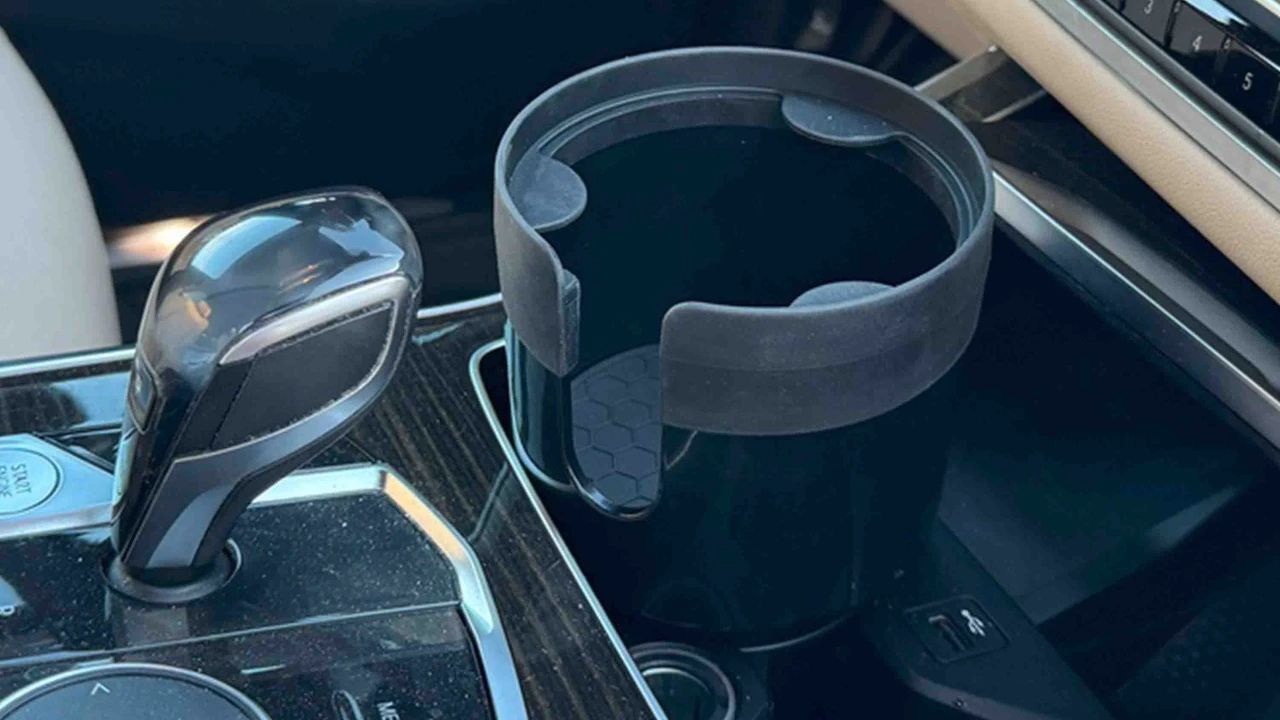
Start with a dry vacuum pass before any liquid touches the surface, as this removes crumbs first. If crumbs are not removed, wet crumbs can turn into paste and make cleaning even more difficult.
Step 1: Vacuum the area
Use a crevice tool, and focus on edges and the base. Lift out loose debris first, as that sets the base.
Step 2: Add warm water
Pour or spray a small amount, and let it sit for one minute. This softens hardened residue. Most people rush this but make sure not rush this process as warm water loosens the dirt making cleaning easy.
Step 3: Apply cleaner and wait
Spray a light layer of cleaner, and let it sit for 3 to 5 minutes. That dwell time breaks down grime. If you skip this, you have to work harder.
Step 4: Scrub the tight spots
Use a brush or cotton swab, and press into seams. The bottom edge holds the most dirt, therefore, a flat swab works best here.
Step 5: Wipe it clean
Use a microfiber cloth to wipe in circles. Lift the dirt instead of spreading it, and ou will see the difference.
Step 6: Dry the holder
Use a dry cloth, or let it air dry. Moisture left behind attracts dust again.
But now comes the real fork.
If your cup holder is removable, take it out and rinse under the tap. Dry it fully before placing it back. But, if it is fixed in place, repeat the spray and scrub step once more. That second pass clears deep residue and that is the difference between clean and truly clean.
Stubborn Stains and Old Residue: What Actually Works
Most stains go away in one round, but some do not.
You will notice a smell first that’s slightly sour, and a bit sweet. That means buildup is old, and it has been sitting for weeks. At this point, basic cleaning struggles.
Here is how to handle it:
- Mild buildup: Use warm water and cleaner. Let it sit longer. It takes about five minutes to work.
- Moderate buildup: Use a soft brush with cleaner. Focus on seams and base. Repeat once.
- Severe buildup: Make a baking soda paste. Mix with warm water. Apply and leave for five minutes. Then scrub gently.
As of now, good all-purpose cleaners cost under $15, and are easy to find in most stores. No need for harsh chemicals.
Avoid bleach or strong solvents, as they damage plastic and leave strong odors. That’s not worth the risk.
How to Keep Cup Holders Clean Longer
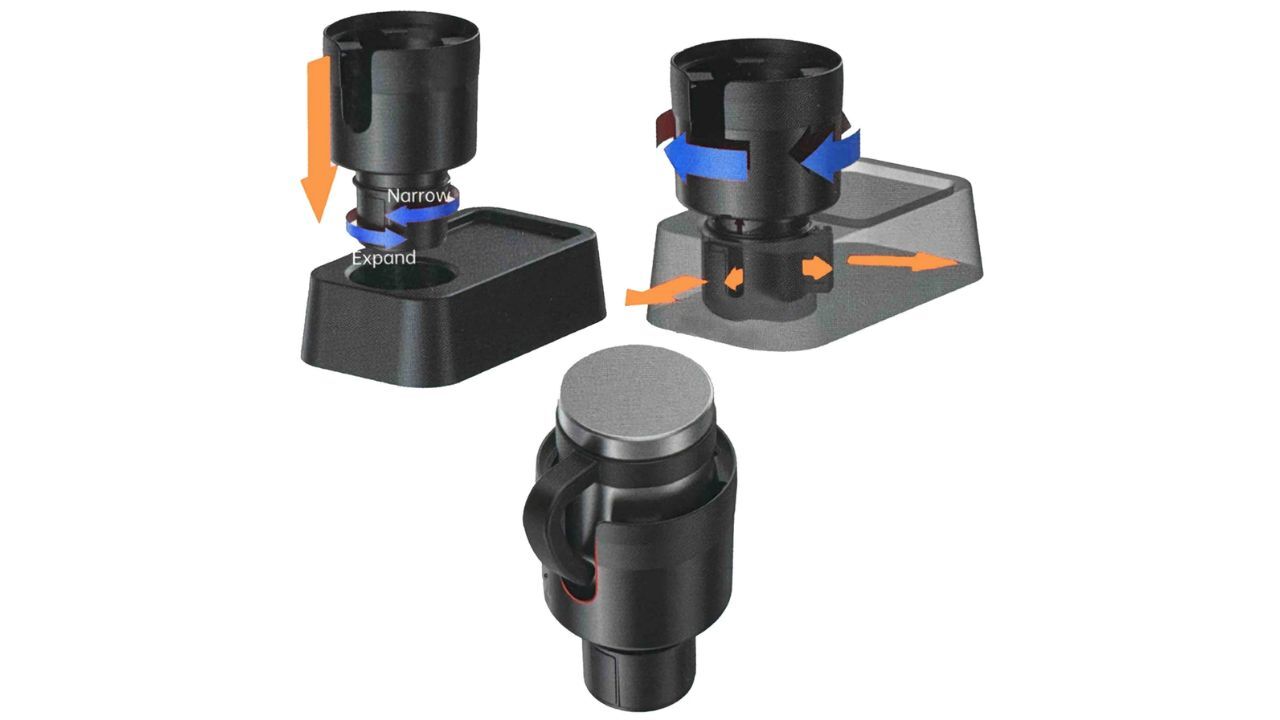
Silicone cup inserts are the easiest upgrade. They cost about $6 to $10 in 2026, and save time every week.
This is where brands like Cozy Cup Holder stand out. Their silicone inserts are designed to fit standard cup sizes and lift out easily. You rinse them in seconds without needing deep scrubbing.
To make sure you’re cleaning the cup holders at the right time, think about your driving habits. That decides your cleaning schedule.
A daily driver with coffee use needs a wipe every two weeks. Whereas, s family car with kids needs cleaning every 7 to 10 days.
Now ask yourself. Do you want to deep clean every month? Or do quick rinses weekly?
Another smart option from Cozy Cup Holder is their adjustable cup holder expander. It reduces spills from oversized bottles. Less movement means fewer sticky messes in the first place.
Also, avoid placing open drinks without lids, as spills happen. But small habits reduce big mess later, and that one change matters.
The Whole Process Takes Less Time Than You Think
The full cleaning takes under 15 minutes, and most of that time is waiting, and not scrubbing.
The real trick is patience. Spray, wait, then wipe. Once you follow this once, it becomes routine. Then it never builds up again.
And if you pair this habit with simple tools like removable inserts, the job becomes almost effortless. So next time you see that sticky ring, will you ignore it or fix it in minutes?
FAQs
1. How often should you clean car cup holders?
Clean every 1-2 weeks for daily use. Clean weekly if kids or spills are frequent.
2. Can you use household cleaners on cup holders?
Yes, but choose mild, non-abrasive cleaners. Avoid bleach or strong chemicals.
3. What is the fastest way to clean sticky cup holders?
Use warm water first, then cleaner, then wipe after 3-5 minutes.
4. How do you clean non-removable cup holders?
Vacuum, spray cleaner, let it sit, then scrub with a brush or cotton swab.
5. Are silicone cup holder inserts worth it?
Yes. They reduce cleaning time and prevent buildup almost completely.
