
Are cup holders required on car seats? The simple answer for this is, no. Federal law in the United States does not require them. But that does not mean they are useless. A good cup holder can cut mess, stop rolling bottles, and calm down a long drive with a tired toddler. That matters a lot on a two hour highway run.
A cup holder is not a must-have safety feature, still, in some homes, it becomes part of daily life within a week. Cup holders can however be useful to keep you and your toddler’s drink in place without any possible spillage.
In this guide we’ll look at the answer in much detail so you know whether considering it is worth your money or not.
The Real Safety Question: What Happens to a Cup in a Crash?
No law requires a cup holder on your child’s car seat. As of 2026, FMVSS 213 covers crash safety rules for child restraint systems. It focuses on harness strength, crash tests, labels, and seat structure, and it does not require cup holders or snack trays.
People often frame car seat cup holder safety as pure comfort. A loose cup in a moving car can turn into a flying object during a crash, and even a small sippy cup can hit hard at speed.
Child Passenger Safety Technicians often use a simple guideline. A vehicle’s weight combined with its speed helps estimate the force generated during a crash.
A full cup may not seem heavy in your hand, but at 30 mph, things change fast. That same cup can slam forward with serious force during a crash test. Why does this matter? Because kids sit close together in many back seats.
A built-in holder helps keep that cup in one place which is the real benefit. A rolling bottle on the floor is annoying or a flying cup near a child’s face is even worse. Still, this does not make cup holders critical safety gear. Not even close.
When a Cup Holder Actually Matters (And When It Doesn't)
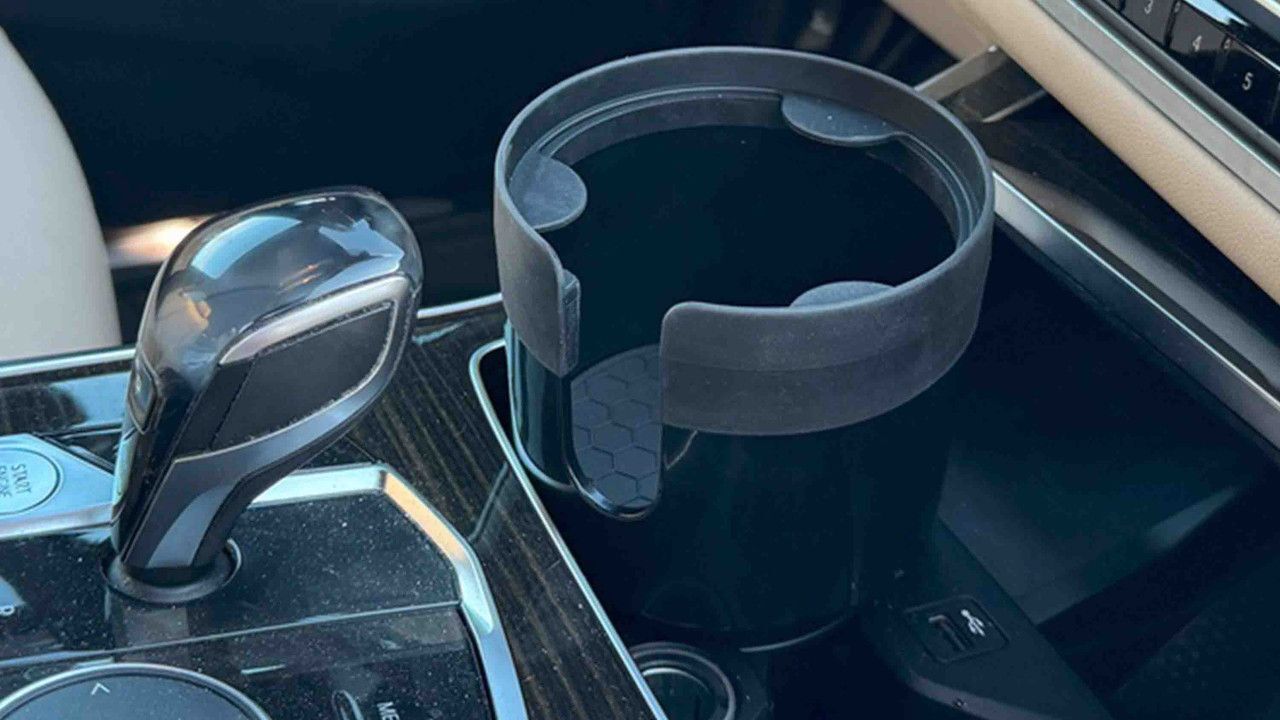
The answer changes with your child’s age. A rear-facing infant has no use for a cup holder. Babies are strapped in tight, parents handle bottles, and paying extra for two giant built-ins at that stage often makes little sense. Save the cash for a seat that fits your car well.
Things shift around toddler age. A forward-facing child loves independence. That sounds small until a water bottle rolls under the seat for the third time in one drive. Then the missing holder starts to feel very real. Long drives become louder, and faster, and a cup holder helps older toddlers keep drinks in reach without yelling every few minutes.
For booster-age kids, the value jumps again, especially on road trips. A booster seat cup holder becomes less about drinks and more about keeping peace in the back row.
There is another practical detail too. Some large built-in holders add width to the seat. That matters for tight cars. Parents trying three-across installs in compact SUVs learn this the hard way. A slim seat with no holder may fit far better than a bulky one packed with extras.
Here’s a simple way to think about it:
- Rear-facing infant: Cup holder need is low. Focus on fit and harness quality first.
- Forward-facing toddler: Cup holder becomes useful for drinks and small items.
- Booster-age child: Cup holder often feels worth it on long drives and daily school runs.
Cup Holder Features Worth Caring About
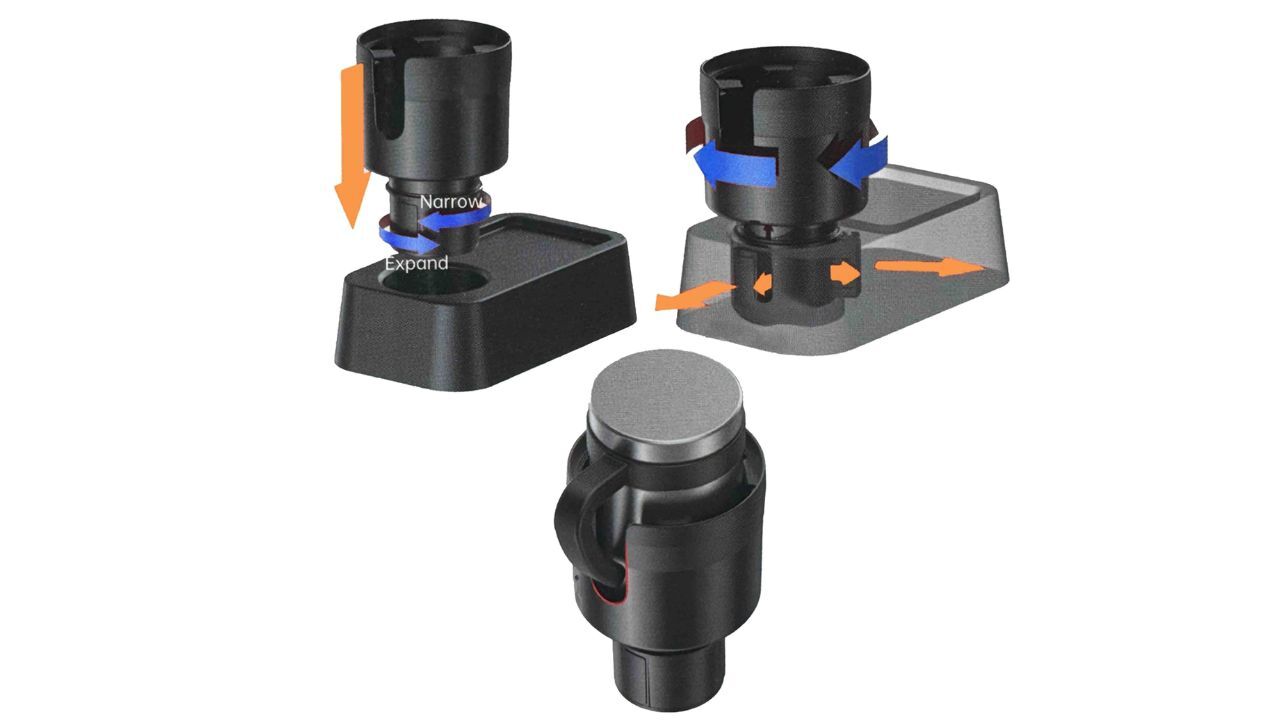
Not all cup holders work the same way. Some look sleek in product photos but become frustrating after a few weeks of real use. Before buying one, pay attention to these details. They matter more than most parents expect.
Seat Width
Some cup holders stick out far from the seat. That can turn a tight back row into a puzzle. Parents trying three-across setups in smaller cars feel this fast. A slim seat often works better than a wide one loaded with extras. The Graco Tranzitions is a good example of a narrower design when the holders are removed.
Removable Design
Kids spill constantly. Juice leaks, crackers crumble, and milk dries into sticky layers. A removable cup holder saves a lot of stress because it can go straight into the sink or dishwasher.
Dishwasher-Safe Parts
This sounds minor until snack season hits. Dishwasher-safe plastic cuts down odor, mold, and sticky buildup. Parents often overlook this feature at first but it turns out to be really helpful as they keep using it.
Deep Cup Space
Shallow holders let cups tip over during sharp turns or quick stops. A deeper design keeps water bottles and sippy cups steady. That matters on long drives and rough roads.
Strong Attachment Points
Cheap clip-on holders often wobble after a few weeks. Some even fall off during daily use. If possible, buy a holder from a trusted brand like Cozy Cup Holder. Their cup holder expander is built for steady grip and easier daily use.
Fit for Different Bottle Sizes
Some holders barely fit a toddler cup. Others can hold larger insulated bottles too. Flexible grips help here especially during road trips.
Easy Reach for Kids
A cup holder should sit close enough for a child to grab safely without twisting hard in the harness. This may sound obvious, yet many poorly placed holders force kids to lean sideways constantly.
What to Do If Your Car Seat Doesn't Have a Cup Holder
Skip the random aftermarket cup holder car seat clips if you can. Many cheap options online were never tested with your specific seat. That does not mean everyone is unsafe. It means nobody verified how they behave during a crash.
A missing cup holder is not a reason to reject the best seat for your child. A safe install matters more, but harness fit and ease of use matters too.
Still, daily life counts. A calm child with a drink close by can turn a stressful drive into a quiet one. That is why cup holders keep showing up on premium seats year after year, not because the law demands them, but because families use them.
FAQs
Q1: Are cup holders required on car seats in the US?
No. Federal safety law does not require them. Some seat makers may still require attached holders during use for specific models.
Q2: Do cup holders make car seats safer?
They can help contain cups and bottles during motion. But they are not core crash safety features.
Q3: Is it safe to use an aftermarket cup holder on a car seat?
It depends on the product. Manufacturer-made add-ons are often the safer pick because they match the seat design better.
Q4: Should toddlers have drinks in the car?
Small sips of water are common during drives, but food and drinks can still create choking risk while the vehicle moves.
Q5: What matters more than a cup holder?
Correct installation, proper harness fit, and a seat that fits your vehicle matter far more than extra features.
