
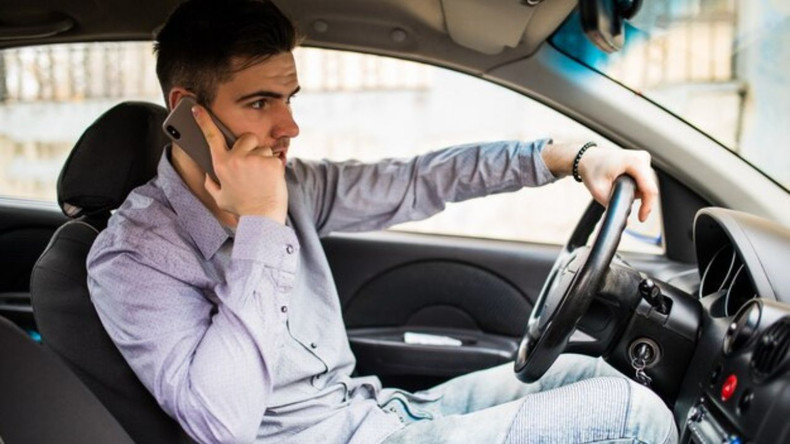
Did you also have confusion that careless driving and reckless driving are the same thing? We were, too, until we actually looked into it deeply.
Carelessness and recklessness might look like the same thing, but surprisingly, they are not. You need to understand this; otherwise, this confusion can cost you a lot of money, a license, or even your freedom to drive.
Many people don’t think about this difference until there’s a routine traffic check, which then turns into a court date. When we look from the surface, they both look like bad driving. However, in reality, they both have very different legal and personal risk levels.
To help you understand the difference between careless driving vs reckless driving, we’ve stated six core differences that you must look at. Understanding them will actually make a real difference in your life.
Careless Driving vs Reckless Driving Differences
Before we dive into the difference, let’s see what both driving styles mean. Careless driving is when you’re not attentive on the road due to any situation, like an important call or looking at the map. On the other hand, reckless driving is about disregarding any safety rules deliberately and driving on the road without caring about the people on the road.
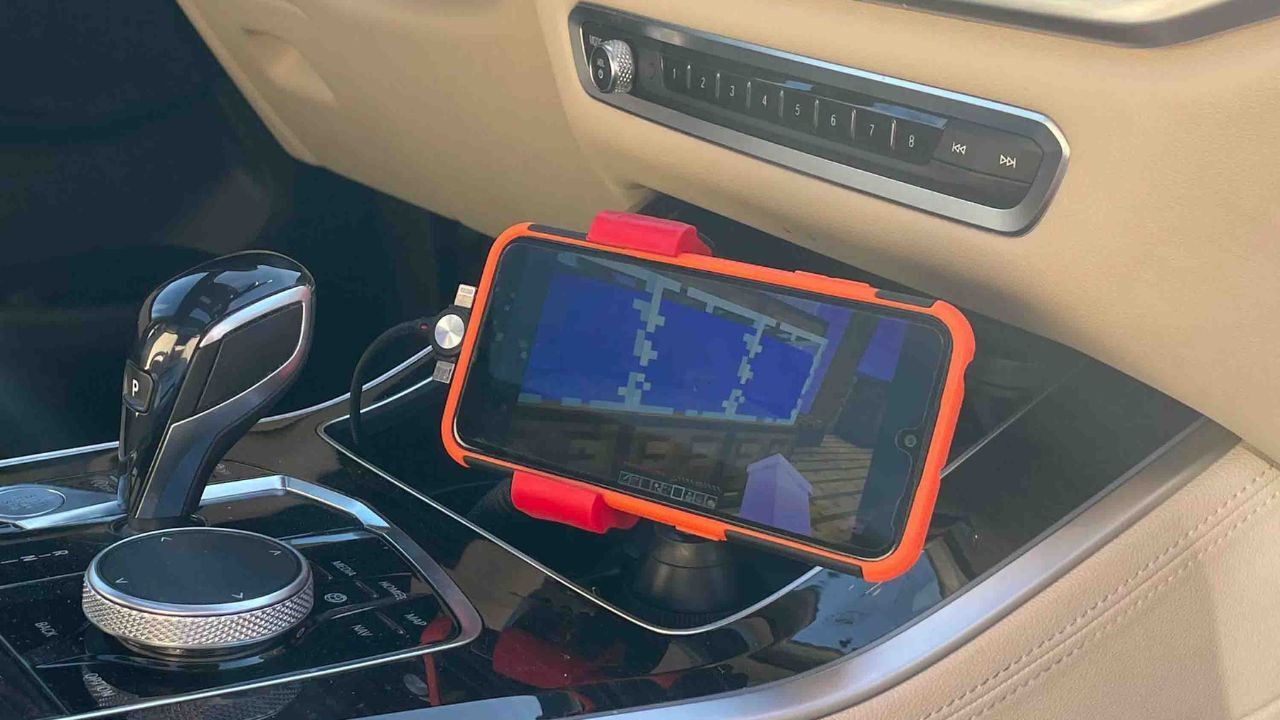
To prevent yourself from getting distracted by any of your belongings, like your mobile phone, tablet, or cups with drinks, Cozy Cup Holder offers solutions for keeping your vehicle organized so you don’t end up driving rashly.
That single idea shapes everything else, including charges, penalties, and long-term consequences.
1. Intent Is the Core Difference Between Careless Driving vs Reckless Driving
In US traffic law, intent is often the starting point. Careless driving usually involves a lapse in attention. The driver does not plan to be dangerous. They make a poor choice or lose focus for a moment.
Common careless driving situations include:
- Glancing at a GPS or phone briefly
- Spilling a drink while turning
- Drifting slightly due to fatigue
- Misjudging the stopping distance
Reckless driving involves conscious risk-taking. The driver knows the behavior is unsafe and proceeds anyway.
Common reckless driving behaviors include:
- Speeding far above the limit
- Aggressively weaving through traffic
- Running red lights intentionally
- Racing or showing off behind the wheel
That mental difference is why reckless driving carries far heavier consequences.
2. Legal Definitions Carry Very Different Weight
Careless driving is typically treated as a traffic offense under state motor vehicle laws. Reckless driving often crosses into criminal or quasi-criminal territory.
This legal distinction affects:
- How the charge appears on your record
- Whether the criminal court is involved
- Long-term background checks
- How employers and insurers view you
Careless driving suggests a mistake. Reckless driving suggests disregard. Courts respond very differently to each.
3. Penalties Escalate Fast With Reckless Driving
Careless driving penalties are frustrating but usually manageable. Reckless driving penalties escalate quickly.
Typical careless driving penalties include:
- Moderate fines
- Points on your driving record
- Possible short license suspension
Typical reckless driving penalties include:
- Heavy fines
- Immediate license suspension
- Vehicle impoundment
- Mandatory court appearances
- Possible jail time if injuries occur
Insurance companies treat reckless driving as a major risk signal. Some drivers lose coverage entirely after a conviction.
4. Police Discretion Shrinks When Recklessness Is Suspected
With careless driving, officers often consider context before deciding how to proceed.
Factors that may influence discretion include:
- Weather and road conditions
- Traffic density
- Driver cooperation
- Past driving history
With reckless driving, discretion drops sharply. The behavior itself signals danger.
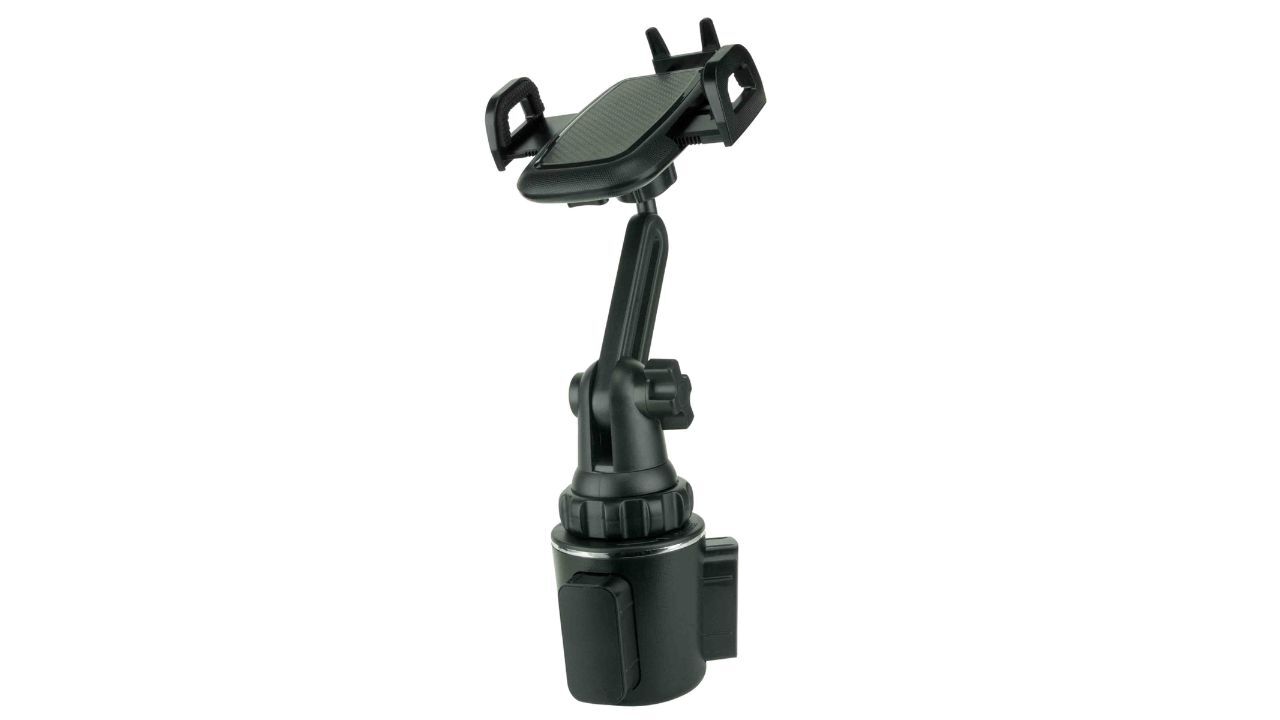
Reducing small distractions helps prevent careless mistakes from escalating. Using the Cozy Cup Holder Adjustable Cup Holder Expander keeps drinks stable and prevents sudden spills that pull attention away from the road.
5. Courtroom Tone Changes Completely
Careless driving cases often feel instructional. Judges talk about learning and prevention. Reckless driving cases feel corrective and punitive.
Key differences in court tone include:
- Less patience from judges
- Stronger focus on deterrence
- Harsher sentencing language
- Greater emphasis on public safety
Organizing the car interior with tools like the Cozy Cup Holder products reduces fumbling and sudden movements, which lowers distraction-related risk over time.
6. Long-Term Impact Separates Careless Driving vs Reckless Driving
Careless driving tends to fade with time. Reckless driving leaves a longer shadow.
Long-term consequences of reckless driving may include:
- Higher insurance premiums for years
- Loss of professional driving opportunities
- Employment limitations in safety-sensitive roles
- Travel complications in some cases
That is why driving instructors emphasize mindset over skill. Skill gets you moving. Judgment keeps you out of trouble.
Where Drivers Accidentally Cross the Line
There’s always a thin line between driving carelessly and recklessly. Careless driving can happen once in a while, but when that keeps repeating, it’s no longer careless but reckless driving. Many reckless driving charges begin as careless behavior that repeats or escalates.
Common escalation points include:
- Ignoring warnings and continuing risky habits
- Letting frustration drive decisions
- Treating bad weather as a challenge
- Reaching repeatedly for loose items
Using practical solutions like the Cozy Cup Holder’s XL adjustable cup holder phone mount helps keep essentials secure and reduces repeated attention breaks.
Careless Driving vs Reckless Driving: Side-by-Side Comparison
To make the difference unmistakable, here is how careless driving vs reckless driving compares in practice across the United States.
|
Aspect |
Careless Driving |
Reckless Driving |
|
Core Meaning |
Driving without proper attention or care |
Driving with conscious disregard for safety |
|
Driver Intent |
Unintentional lapse in judgment |
Knowing and deliberate risk-taking |
|
Level of Risk |
Potential danger |
Immediate and serious danger |
|
Legal Category (US) |
Traffic offense under state law |
Criminal or serious traffic offense |
|
Common Examples |
Brief distraction, lane drifting |
Excessive speeding, street racing |
|
Mental State Considered |
Carelessness or inattention |
Willful or deliberate behavior |
|
Police Response |
Discretion often applied |
Immediate and strict enforcement |
|
Typical Penalties |
Fines, points, short license suspension |
High fines, license suspension, and impoundment |
|
Criminal Record Risk |
No |
Possible |
|
Insurance Impact |
Noticeable increase |
Severe increase or cancellation |
|
Court Perception |
Human error |
Dangerous conduct |
|
Long-Term Impact |
Often fades |
Lingers for years |
Seeing it this way makes the gap very real.
Is This Really Worth Thinking About?
Many drivers don’t think a lot while driving. They are more focused on the road and how to reach the destination. But thinking about careless driving vs reckless driving often keeps the driver safe, but also the vehicles and the people on the road.
How a driver handles their driving skills, it all depends on the kind of decision they are making under pressure while driving. The roads can be crowded, and patience can run thin; this is when it shows how a driver responds to these situations.
And the real question worth asking is this. When stress hits behind the wheel, do your habits protect you, or do they quietly push you closer to a line you never meant to cross?
