

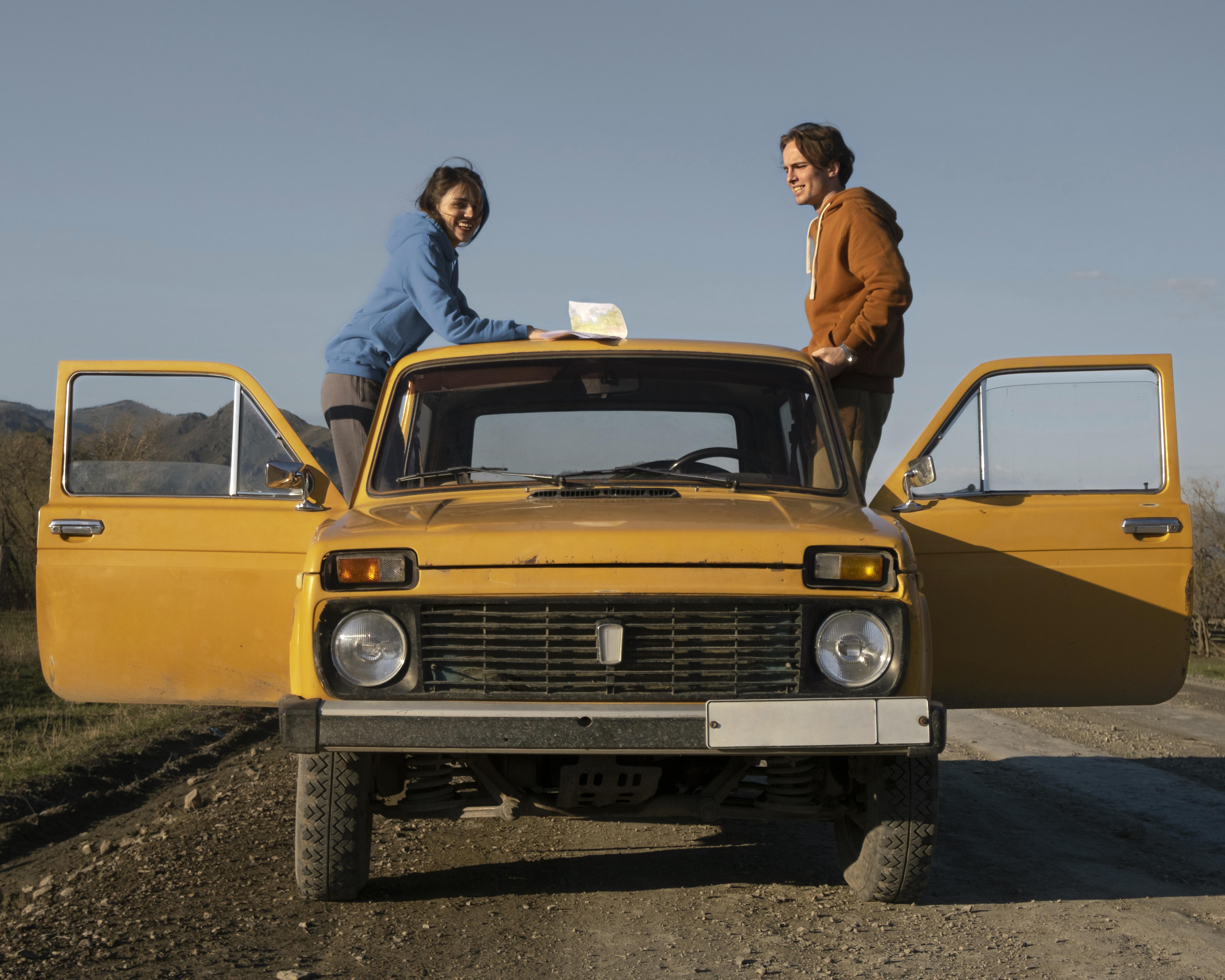
Modernizing an old car means fixing the parts that make it feel unsafe, slow, or annoying to drive first. Then you add the comfort upgrades that make the car fit daily life without stripping away its character.
A clean restomod build is not about turning a classic truck or old sedan into a spaceship. It is about making it easier to stop, easier to drive at night, easier to park, and far more pleasant on long trips.
In this guide we’ve discussed eight upgrades you can make to your old car to make it new and relevant in today’s time.
What Does It Mean to Modernize an Old Car and Why Does It Matter?
Modernizing an old car means updating the parts that feel outdated without removing the soul of the vehicle. The goal is not to turn a 1970s muscle car into a brand-new SUV. It is about improving safety, comfort, reliability, and daily usability while keeping the style and personality that made the car worth saving in the first place.
Now, drivers expect better lighting, shorter stopping distances, and easier parking. An old car built decades ago was never designed for modern highway speeds, crowded parking garages, or long commutes with stop-and-go traffic. Even something small like adding a backup camera or better cup storage can change how often the car actually gets driven.
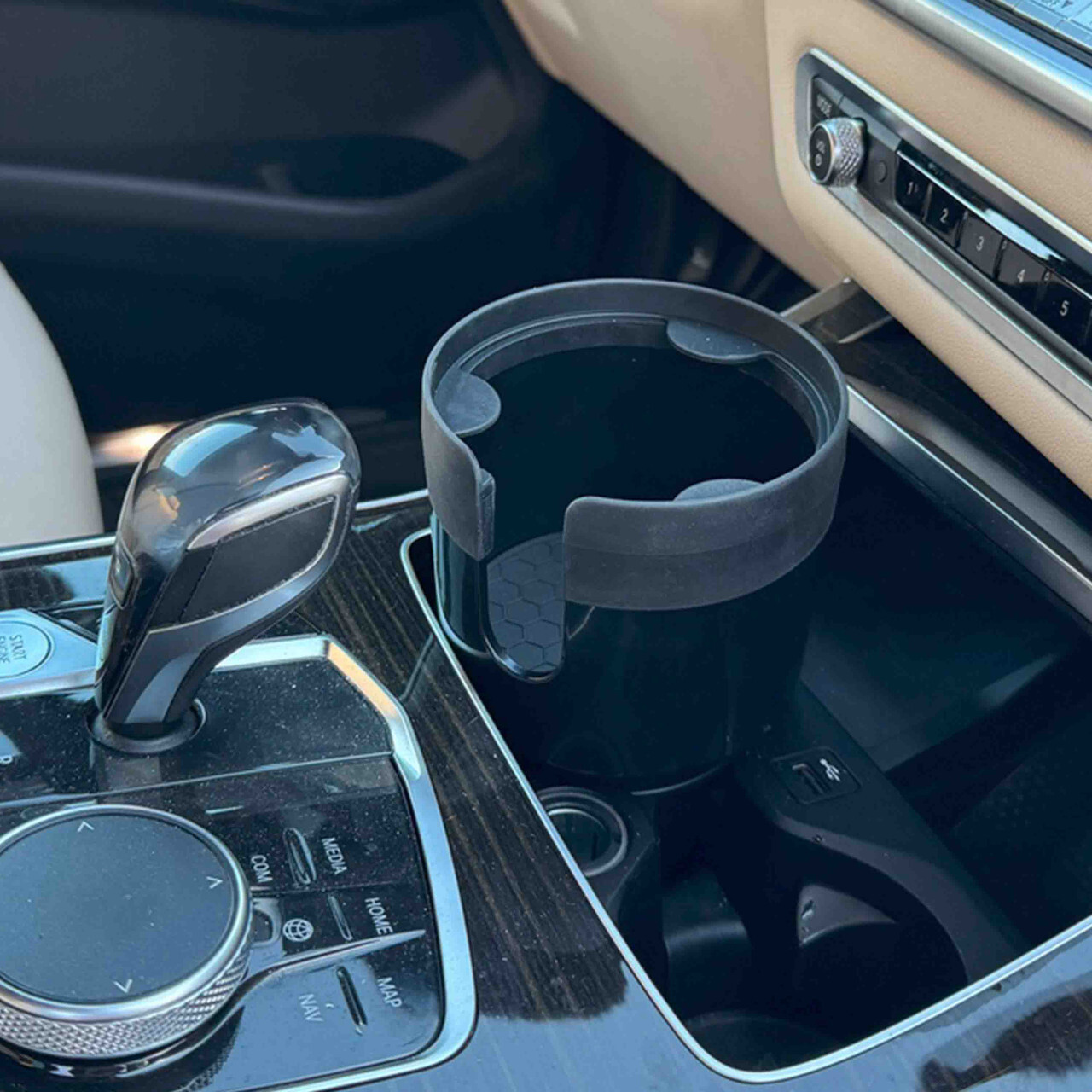
Old cars often lack the simple things people now expect every day. These small things can be phone charging, stable drink holders, clear navigation or good air conditioning. That is why small upgrades from Cozy Cup Holder fit naturally into many builds. Products like the Cozy Cup Holder Expander help older interiors work better during road trips or daily errands without drilling holes into factory trim.
Where to Start When You Modernize an Old Car
Safety upgrades always come first.
A surprising number of people spend $800 on a touchscreen stereo before replacing dry-rotted tires, but that is backwards. If the car struggles to stop in rain or wanders across the highway, no infotainment screen will fix the drive. Start with the parts that protect you first.
Here is the order that works best when learning how to modernize an old car:
- Safety and reliability
- Handling and driving feel
- Comfort and convenience
- Cosmetic upgrades
That sequence keeps the project sane. It also keeps the budget under control.
Brakes and Tires: The Upgrades That Matter Most
Comfort upgrades are not where this project starts.
Replace brakes and tires before any other upgrade. They are the biggest safety improvement on any older car. Drum brakes fade badly in heat. Old rubber loses grip even when the tread looks fine. Tire makers and safety agencies still recommend replacing aging tires after roughly six to ten years, even if they appear usable.
A few upgrades matter more than others:
- Front disc brake conversion: Better stopping power and less brake fade. About $600 to $1,200.
- Modern all-season tires: Better wet grip and highway stability. About $500 to $900 for four.
- Stainless brake lines: Firmer pedal feel and improved brake response. About $120 to $250.
- New wheel bearings and bushings: Reduces wandering and vibration. About $150 to $400.
Match tire size to the original wheel diameter first. Then check the load rating especially for trucks and older V8 cars.
Infotainment: The One Interior Upgrade Worth Doing First
The head unit is not a hard upgrade but the shopping process is.
A modern Apple CarPlay or Android Auto setup changes an old cabin immediately. Navigation works better, calls sound clear, and music finally feels current. Unlike flashy interior mods, this upgrade actually helps every single drive.
Before buying anything, check a dash compatibility guide like Crutchfield. Some cars need custom trim kits. Some only fit single-DIN units with floating screens while others require relocation brackets behind the dash. That small detail saves hours of frustration later.
Lighting: The Upgrade That Changes How the Car Looks and Drives
Replace the headlights before touching cosmetic trim.
Older halogen lights feel weak on modern roads especially on rural highways. A proper LED upgrade improves visibility and reduces electrical strain on aging alternators. That matters on old charging systems. Cheap LEDs often scatter light badly though turning the bean messy and drivers hate that.
There are three main upgrade paths:
- LED replacement bulbs: Cheap and easy. Sometimes poorly aimed.
- Full LED housings: Better beam pattern and cleaner look. Costs more.
- LED tail and marker lights: Faster response and improved visibility at night.
Check bulb codes before ordering. H4, H7, and 9003 are not interchangeable. That tiny mistake sends a lot of parts back every year.
Suspension: The Upgrade Most Guides Skip
Most people think fixing old-car handling means buying coilovers, but it usually does not.
A huge chunk of sloppy handling comes from dead rubber bushings. Forty-year-old suspension rubber turns soft and cracked over time. The car starts floating across bumps like an old couch. Replace those bushings with polyurethane versions and the whole chassis wakes up.
Coilovers and sway bars help too, but they come later. A mild suspension refresh already improves cornering, steering feel, and highway confidence.
Backup Cameras: Small Upgrade, Big Difference
Parking an older SUV or truck can feel like docking a boat.
That is why backup cameras deserve a place on this list. They are cheap, practical, and surprisingly easy to install. Many modern head units already support camera inputs, which keeps the dashboard clean.
Universal camera kits mount near the license plate and connect directly into aftermarket stereos. Wireless kits exist too, though wired systems stay more reliable long term.
This upgrade matters most on lifted trucks, long sedans, and older wagons with poor rear visibility.
Interior Refresh: What to Fix and What to Leave Alone
The worst interior upgrades are not the expensive ones. They are the ones that look fake immediately.
An old cabin should still feel like the car you bought. That means restraint matters more than money. Fresh upholstery in factory-style fabric usually looks better than loud racing seats. Clean carpets help more than chrome trim kits. Small choices shape the whole vibe.
A few upgrades age well:
- Seat heaters: Keep. Hidden comfort upgrade.
- Cheap ambient LED strips: Skip. Looks tacky fast.
- Period-style upholstery refresh: Keep. Feels correct.
- Universal racing steering wheels: Skip unless the car is track-focused.
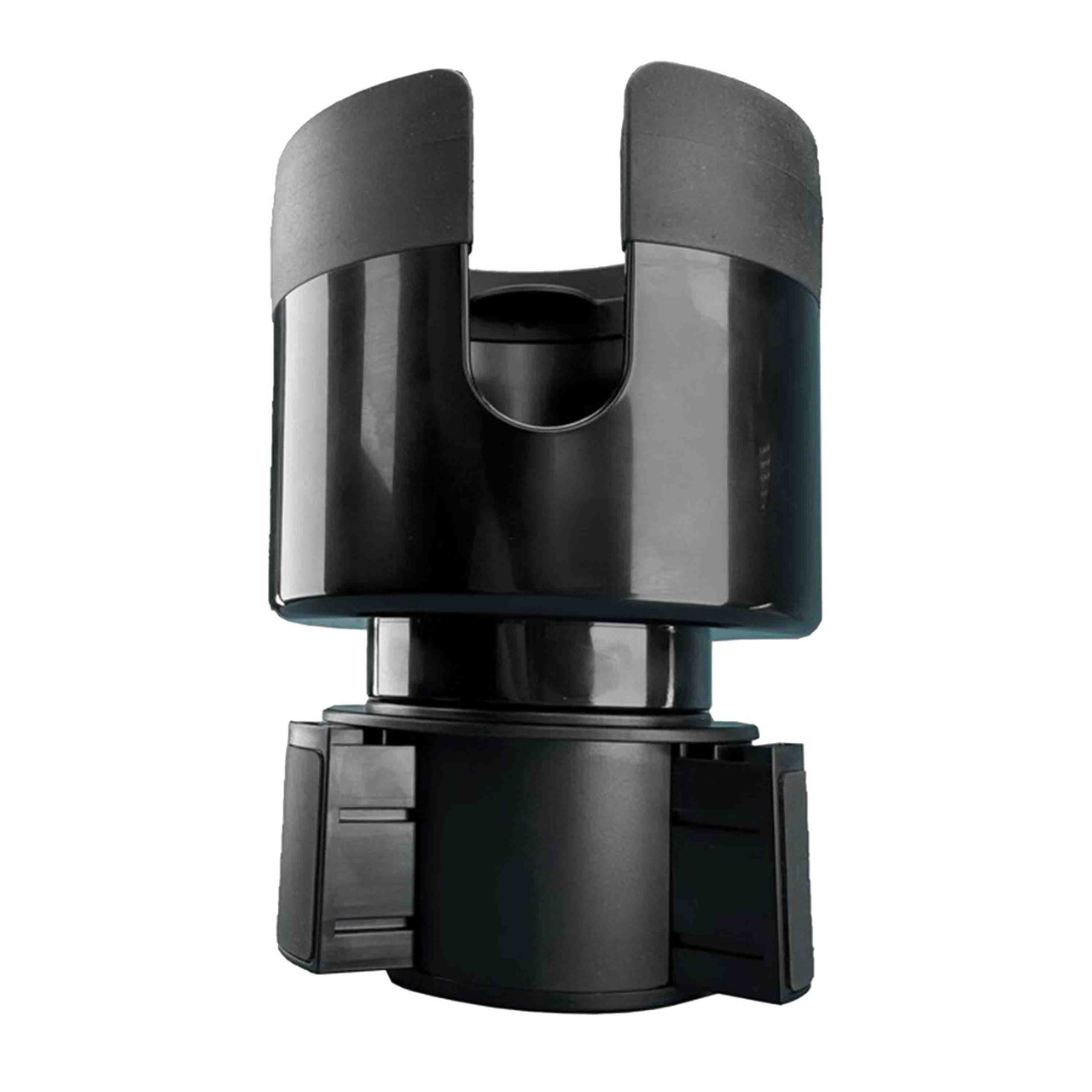
This is also where small accessories help daily use. Products from Cozy Cup Holder work well in older cabins with poor storage. The Cup Cozy Holder’s Expandable Universal Cup Holder keeps drinks stable during road trips, adding storage space in bench-seat classics and RV builds.
Air Conditioning: The Big-Ticket Upgrade Worth Considering
Air conditioning is not a small project. It is still worth it on the right car.
Classic American cars usually handle A/C retrofits well because engine bays have space. Smaller European cars often do not.
Cold air changes everything if the car sees summer use. Long drives stop feeling exhausting, and traffic becomes tolerable again. Also, passengers stop complaining every ten minutes.
Electric Power Steering: The Upgrade Nobody Talks About
Manual steering feels great on the highway, but parking lots are another story.
Electric power steering kits quietly became one of the smartest upgrades for older cars. Especially heavy American sedans and trucks.
Modern EPS systems assist at low speed while keeping steering feel natural once moving. The car still feels old, just less exhausting.
Final Thoughts
The smartest old-car builds never try to erase the past. They just remove the parts that make the car frustrating to drive today. Most people approach old-car projects backwards. They chase wheels, giant screens, or flashy paint first. Then the car still overheats in traffic or struggles to stop in rain.
The smarter path is simpler. Fix the parts that affect safety and driving feel first. Then improve comfort. Then worry about appearance. A clean suspension setup, fresh brakes, better lighting, and modern infotainment already make an old car feel years newer without losing its identity.
A well-modernized car still smells old, and still sounds old. It still turns heads at gas stations but just starts every morning, drives better at night, and feels easier to live with.
FAQs
Q1: How much does it cost to modernize an old car?
Most mild builds land between $3,000 and $10,000 depending on condition. Safety upgrades should eat the first part of the budget.
Q2: Is it worth modernizing an old car?
Yes, if the car already matters to you. A thoughtful upgrade path often costs less than replacing the vehicle entirely.
Q3: Can beginners modernize an old car themselves?
Some upgrades are beginner-friendly. Radios, lighting, and backup cameras are realistic DIY jobs. Brake conversions and A/C systems usually need a professional shop.
Q4: What is the first thing to upgrade on an old car?
Brakes and tires always come first when upgrading an old car.
Q5: Will modern upgrades hurt classic car value?
Bad cosmetic mods can. Reversible upgrades like better brakes, hidden audio systems, and safer lighting usually help usability without damaging appeal.
