
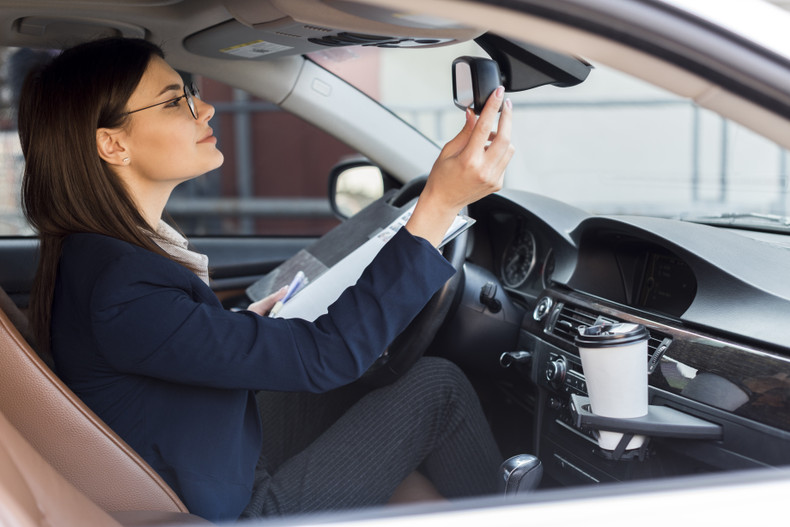
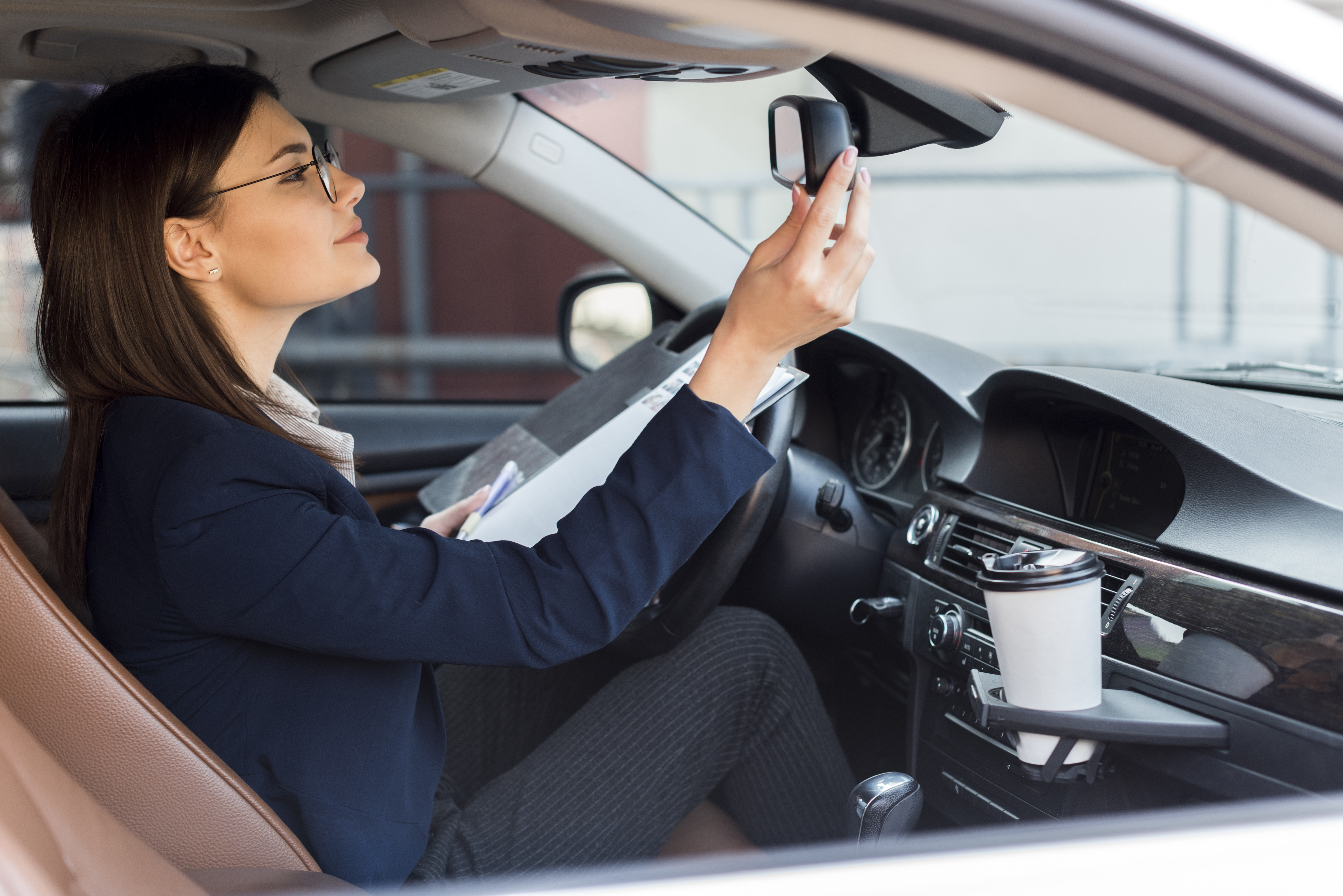
In recent years, US commute times have climbed close to pre-pandemic levels again. People feel it especially in cities like Atlanta, Chicago, Dallas, and Los Angeles where one small crash can wreck the whole morning.
A lot of commute advice sounds nice online. Then Tuesday morning hits, coffee spills, traffic stacks up, and somebody brakes for no reason. That “peaceful morning routine” falls apart fast.
Daily travel feels less stressful when you stop treating your commute like a random fight against traffic and start treating it like a routine you can shape. The best commute tips are simple. Prep earlier, leave smarter, protect your focus, and stop letting your drive or train ride drain all your energy before work even starts.
This guide focuses on small fixes that still work when life gets messy.
1. Your Morning Commute Starts the Night Before
Your commute is usually decided at 10 PM, not 7 AM.
Most stressful mornings begin with tiny decisions piling up too fast. Where are the keys? Is the charger in the car? Did the train pass get renewed? It happens every day. Your brain burns energy before you even leave the house.
The fix is boring, but it works. Move small decisions out of the morning. That gives your brain fewer things to juggle when you're half awake and already running late. People often think they hate commuting. Sometimes they just hate chaotic mornings.
A simple night setup helps:
- Put your work badge inside your bag, not on the kitchen counter.
- Leave a phone charger in the car full time.
- Fill your water bottle before bed.
- Set out shoes and weather gear together.
- Keep a backup umbrella in your trunk or backpack.
2. Time Your Departure Around Traffic, Not Habit
Leaving earlier is not the tip. Finding your traffic window is.
Many people leave home at the same time every day because they always have. But a 15-minute shift can completely change your drive. In cities with heavy surface traffic, one missed light cycle can snowball into a 30-minute delay.
Test your route for two weeks, leave at 7:20 one day, then 7:40, then 8:05 and watch what happens near bottlenecks, school zones, toll roads, and freeway merges. Most drivers eventually find a spot where traffic suddenly thins out.
Protect that time once you find it, and treat it like a standing meeting.
3. Use a Navigation App That Learns Your Route
All major map apps are free, but they still behave differently.
For most drivers, Waze works better on crowded city streets because users report crashes, police stops, and sudden slowdowns in real time. Google Maps works when your trip mixes driving with trains or buses. Apple Maps looks cleaner now than it did years ago, but rerouting still feels slower in dense downtown traffic. Know that first.
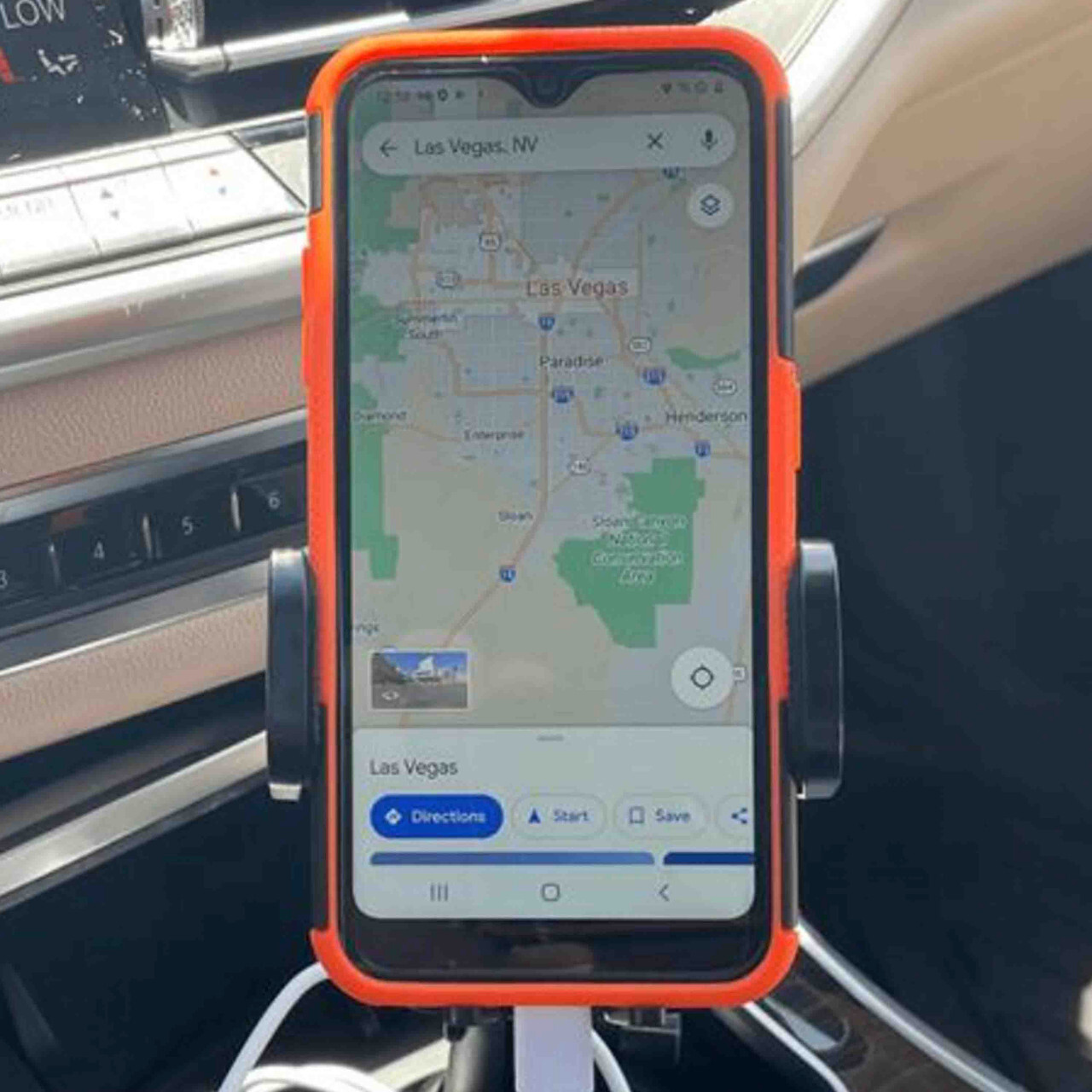
Today, both Waze and Google Maps update routes constantly during rush hour traffic. That matters in places like Phoenix or Houston where one blocked exit changes everything within minutes. A smart reroute can save more stress than speed. The trick is to use one consistently, and learn its patterns.
4. Transit Riders Should Use the Time With Purpose
A train ride gives you something driving never can and that is mental space.
Many transit riders waste that space without noticing. They bounce between apps for 40 minutes and arrive at work mentally scattered. Ever get off the subway feeling oddly tired despite sitting the whole time? That's why.
Transit time works best when you choose one mode instead of ten. Active mode helps if your day will be light. Passive mode works better before demanding workdays. Rest mode matters too, especially after poor sleep.
A simple guide helps:
- Morning with low energy: music or calm podcasts.
- Afternoon ride home: language apps or reading.
- Mentally drained day: no content at all. Just quiet.
5. Control Physical Comfort Before Stress Builds
Physical discomfort gets ignored way too often during commutes.
People tolerate freezing bus stops, spilled coffee, sweaty backs, bad earbuds, and aching seats for years. Then they wonder why every drive feels exhausting. Your brain handles stress worse when your body feels irritated.
A few practical items can completely change daily travel especially during long winters or brutal summer heat in places like Arizona or Florida.
Useful commute items include:
- Insulated travel mugs for hot or cold drinks.
- Noise-canceling earbuds for trains or buses.
- Compact umbrellas that stay in your backpack.
- Breathable seat cushions for long drives.
- A stable cup organizer for larger drinks.
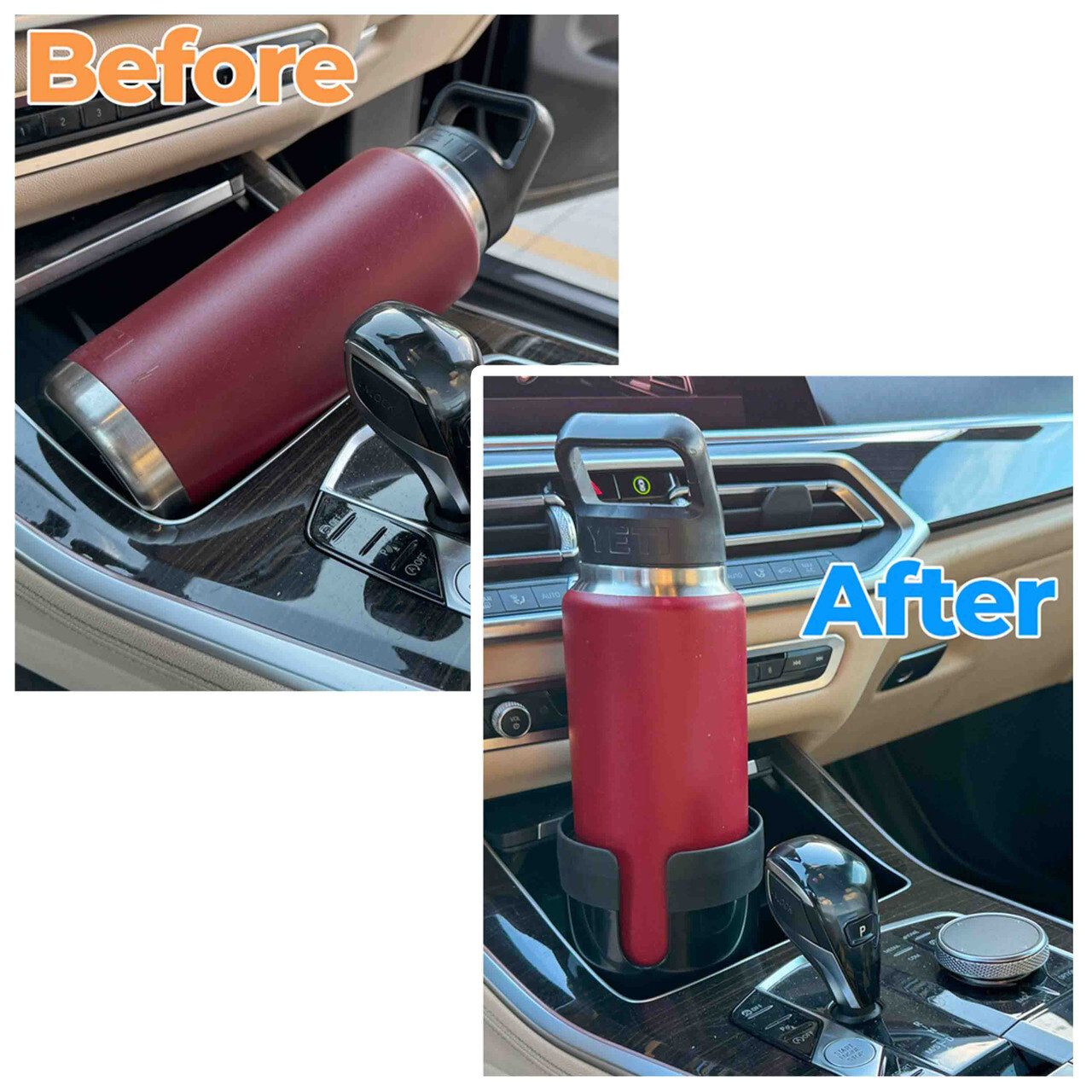
Products from Cozy Cup Holder fit nicely here. The Cozy Cup Holder Cup Expander helps keep drinks upright during longer rides, and works well for people carrying coffee, snacks, and small items together during carpools or road trips.
6. Protect the Line Between Commute Time and Work Time
Open your inbox on the train and your commute is already over.
The moment work messages appear, your brain shifts into reaction mode. You start solving problems before the workday officially begins, and that stress lingers. Then the ride home turns into recovery instead of separation.
Many people think checking email early helps them “get ahead.” Usually it just steals the quiet time your brain needs. A commute should act like a buffer between home life and job pressure, and not another office hour.
A better move is setting phone rules. Use Do Not Disturb with emergency contacts allowed through. Save inbox checks for five minutes before work starts, not halfway through your bus ride while balancing coffee and a backpack.
7. Choose Audio That Changes Your Mood
Your playlist matters, and so does your podcast choice.
Fast, loud, argumentative content raises tension especially in heavy traffic. Ever notice how some podcasts leave you irritated without knowing why? The brain mirrors emotional tone more than people expect. That hits harder during commuting because your nervous system is already alert.
Story-driven audio works better. Comedy podcasts help many people because laughter lowers tension naturally. Narrative shows pull attention away from road frustration. Additionally, calm music helps too. Some driving surveys have even linked softer music styles with calmer driving behavior.
For long drives, audiobooks often beat business podcasts. Business content makes many people feel like they should take notes or stay mentally sharp. While fiction lets the brain settle while still staying engaged.
The Commute Tips That Actually Work for Drivers
Most people assume drivers have the hardest commute to improve. Drivers have fewer options, but the right changes hit harder. You cannot scroll social media safely, and you cannot read. Your world is audio, timing, posture, temperature, and mindset.
The wrong audio makes driving worse. Loud debate radio keeps your brain in fight mode while angry playlists can do the same thing. A calm story-based podcast works better because your attention shifts away from aggressive traffic without pulling focus from the road. Fiction audiobooks work surprisingly well too, especially on long suburban drives outside places like Denver or Charlotte.
Physical comfort matters too. A hot car seat in August traffic can ruin your mood before work even starts. So can lower back pain after 45 minutes on Interstate 95. Small gear upgrades help like a seat cushion, a cold water bottle or better sunglasses. These are not glamorous upgrades but they’re still effective.
Also, skip hands-free calls when possible. The National Safety Council has warned for years that cognitive distraction still affects drivers during phone conversations. Even without touching the phone.
Small Habits Quiet the Whole Process
Consistency is the hidden piece in nearly every stress fix.
When your departure time, route, audio, and prep routine stay steady, your brain stops treating the commute like a threat. It becomes a background rhythm instead of daily uncertainty. That shift feels subtle at first, but then one morning you suddenly realize the dread is gone.
The goal is not loving your commute. That's unrealistic for most people stuck in rush hour traffic. The goal is reducing friction until daily travel stops stealing energy from the rest of your life.
Your commute is not fixed. It changes when your habits change. Start with one adjustment this week. Small shifts feel tiny at first. Then one day the drive home feels lighter. That's when you know it's working.
FAQs
Q1: What are the best commute tips for beginners?
Start with timing and preparation. Test different departure times for two weeks and prep your essentials the night before. Those two changes usually create the fastest improvement.
Q2: Is listening to podcasts during a commute a good idea?
Yes, if the content lowers stress instead of raising it. Story-driven podcasts and audiobooks work better than aggressive debate shows during traffic-heavy drives.
Q3: Which navigation app is best for commuting?
Waze often works best for live traffic rerouting on city streets. Google Maps is stronger for mixed transit and driving trips. Apple Maps works well for cleaner navigation visuals.
Q4: How can transit riders make commuting less tiring?
Use commute time intentionally. Passive audio or quiet rest often helps more than trying to stay productive the entire ride.
Q5: Are commute accessories actually worth buying?
Some are. A stable cup holder, insulated mug, seat cushion, or quality earbuds can remove small physical annoyances that build stress over time. Products from Cozy Cup Holder like a cup holder expander are useful examples for keeping drinks and small items steady during long drives or carpools.
